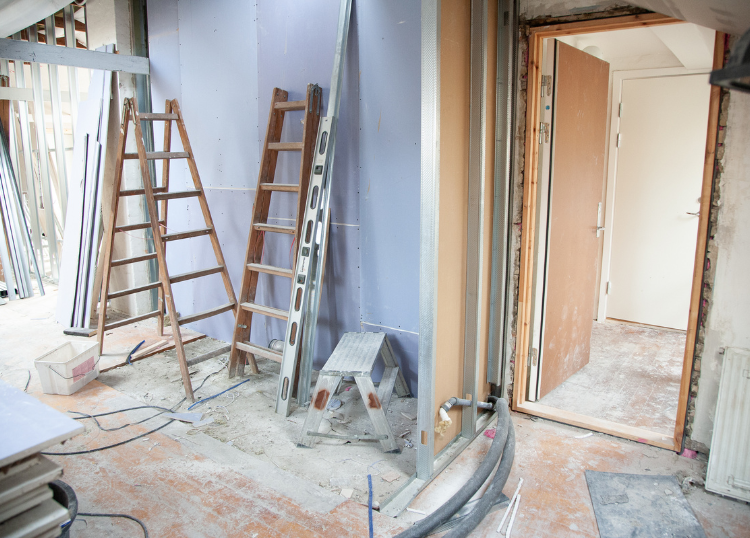
Renovations rarely proceed without some changes.
A wall may conceal damaged plumbing. A homeowner may decide to change the kitchen layout. An existing structure may need additional work once old finishes are removed.
Some changes are unavoidable. Others happen because the property owner sees new possibilities as the project progresses.
The difficulty is not necessarily the change itself.
Problems arise when additional work is discussed informally, approved without a clear price or completed without anyone recording how it affects the original agreement.
A conversation on site may seem sufficient at the time, particularly when the contractor and owner have a good working relationship. Weeks later, however, the parties may remember the discussion differently.
Written variations provide a practical way to manage these situations.
They help everyone understand what has changed, what it will cost and whether the renovation programme needs to be adjusted.
What Is a Written Variation?
A variation is a change to the work originally agreed upon in a building or renovation contract.
It may involve adding work, removing an item, changing materials or altering the way a particular part of the project will be completed.
A written variation records that change and the terms attached to it.
For example, a homeowner may decide to replace standard floor tiles with a more expensive product.
The variation should identify the new material, any difference in labour or installation requirements, the additional cost and any effect on the completion date.
The purpose is to make the revised agreement clear before the work proceeds.
Why Renovations Often Need Changes
Unlike a new building project on an open site, a renovation involves working with an existing structure.
Not everything is visible before construction begins.
Old electrical installations, concealed water damage, uneven floors and previous alterations may only become apparent once work is underway.
Changes may also result from updated design preferences or practical decisions made during construction.
A homeowner might want to move a doorway after seeing the space opened up.
A contractor may recommend a different installation method because the existing structure cannot accommodate the original design.
These situations are common, but they still need to be assessed and recorded properly.
Verbal Instructions Can Create Expensive Disputes
An informal instruction may seem harmless.
The owner asks for an additional cupboard, and the contractor agrees to install it.
Neither party discusses the price in detail.
When the final account arrives, the owner may believe the cupboard was included in the original quotation. The contractor may regard it as clearly additional work.
Both parties may feel that their understanding was reasonable.
A written variation reduces this uncertainty.
It provides a shared record of the instruction and the financial agreement, making it easier to resolve questions later.
Understand What the Original Contract Includes
Before assessing a variation, it is important to know what was included in the original scope.
A detailed quotation or contract should describe the work, materials, finishes and relevant exclusions.
If the original agreement is vague, deciding whether something is additional can become difficult.
For example, a quotation that simply states "renovate bathroom" leaves considerable room for interpretation.
A clearer scope would identify demolition, plumbing, waterproofing, tiling, sanitary fittings and other agreed work.
Written variations work best when there is a reliable original agreement against which changes can be measured.
Record Changes Before Work Begins
Where practical, a variation should be documented and approved before the additional or revised work starts.
This gives the property owner an opportunity to consider the cost and any alternatives.
It also allows the contractor to confirm that the change is technically practical.
Once materials have been ordered or work completed, reversing a decision may be expensive.
There can be exceptions when urgent action is required to prevent damage or address a safety concern.
Even in those circumstances, the change should be recorded as soon as reasonably possible, in accordance with the contract.
The aim is to avoid a situation where the final cost becomes clear only after the work is finished.
Include a Clear Description of the Work
A useful variation needs more detail than a note saying "additional building work".
It should describe exactly what is being added, removed or changed.
Identify the relevant area of the property and any specific materials or finishes.
Where appropriate, refer to updated drawings, specifications or photographs.
For example, replacing a bathroom vanity should involve more than naming the new unit.
The change may affect plumbing connections, wall finishes, installation labour and the removal of the original item.
A clear description helps prevent different interpretations of what the contractor has agreed to supply.
Confirm the Full Cost of the Variation
The financial effect of a change should be understood before approval.
Ask for a written price that identifies the additional work and any credit for items removed from the original scope.
The cost may include materials, labour, equipment, subcontractors and other relevant charges.
Confirm whether VAT is included or excluded where applicable.
Also ask whether the amount is fixed or based on an estimate that may change.
If the final cost cannot yet be established, the parties should agree on how it will be calculated and approved.
A clear pricing arrangement is especially important when several variations accumulate during a project.
Consider the Effect on the Renovation Timeline
A change can affect more than the budget.
Moving a wall may require revised drawings, additional materials or a change in the sequence of work.
A new kitchen finish may have a longer supply lead time than the original selection.
Some variations require other trades to return to work they had already completed.
The variation should therefore address any expected effect on the programme.
If additional time is needed, record the proposed adjustment to the completion date.
This helps distinguish delays caused by agreed changes from delays arising for other reasons.
Keep Design Changes Coordinated
A renovation often involves several people.
Architects, designers, engineers, contractors and specialist installers may all contribute to the project.
A change approved between the owner and contractor may affect work designed or specified by someone else.
For example, removing or altering a wall may require structural assessment.
Changing a bathroom layout may affect plumbing, waterproofing and electrical work.
Written variations should be supported by the necessary technical review.
A variation agreement does not replace required professional design work, approvals or compliance obligations.
Separate Necessary Work From Optional Upgrades
Not every variation arises for the same reason.
Some changes become necessary because previously concealed conditions are found.
Others are discretionary improvements requested by the property owner.
Keeping these categories separate makes the project easier to manage.
A necessary repair to damaged structural timber has a different priority from upgrading decorative finishes.
When budgets are under pressure, this distinction can help owners decide where additional spending is justified.
It also makes the final project record more useful by showing which changes responded to site conditions and which reflected revised preferences.
Track the Cumulative Effect on the Budget
One variation may appear manageable.
Several small variations can have a much larger effect.
Additional lighting, upgraded fittings, extra cabinetry and revised finishes may each seem affordable when considered separately.
Together, they can push the renovation well beyond the original budget.
Maintain a variation register showing approved changes, costs and any outstanding decisions.
Compare the revised project total with the available budget regularly.
This provides a more accurate financial picture than reviewing individual quotations in isolation.
Make Approval Responsibilities Clear
A variation should identify who has authority to approve changes.
For a private home renovation, this may be the property owner or an appointed representative.
For a larger project, the contract may assign approval responsibilities to a principal agent or another designated person.
Contractors should not have to guess whether a casual comment amounts to a formal instruction.
Similarly, owners should not be surprised by work that was never properly authorised.
The agreed approval process should be followed consistently.
Email or electronic approval may be suitable where the contract permits it, provided the record is clear and accessible.
Keep Supporting Records Together
Written variations are most useful when they can be located easily.
Store approved changes with the original contract, quotations, drawings and relevant correspondence.
Use a consistent numbering system so that each variation can be identified.
Where a change affects drawings or specifications, retain the updated versions.
This makes it easier to review progress payments, check the final account and understand why the completed renovation differs from the original plan.
Good records can also be valuable when the property is sold or future alterations are considered.
Review Variations Before Final Payment
Towards the end of a renovation, the contractor's final account should be checked against the agreed scope and approved changes.
Review the original contract amount alongside all authorised variations.
Confirm that credits for omitted work have been applied.
Check that additional charges correspond with the written approvals and that the work has been completed as agreed.
If there are discrepancies, raise them before finalising payment.
A well-maintained variation record makes this process considerably easier for both parties.
Final Thoughts
Changes are a normal part of many renovation projects.
The important issue is how those changes are managed.
Written variations help property owners and contractors agree on the revised work, understand its cost and record any effect on the construction programme.
They also reduce the risk of misunderstandings that can damage working relationships and lead to disputes.
Start with a clear original scope, document changes before work begins wherever possible and ensure that the appropriate people approve them.
Keep a running record of the financial and scheduling effects rather than treating each change as an isolated decision.
A written variation does not need to make a renovation unnecessarily complicated.
Its purpose is to keep decisions clear, costs visible and expectations consistent while the project develops.