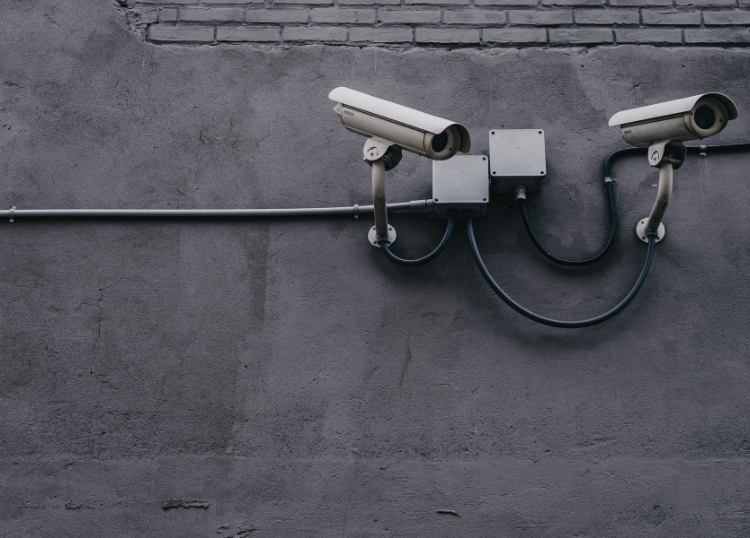
CCTV can be a useful part of a home or business security system, but the value of an installation depends on how well it is planned.
A property owner may initially focus on the number of cameras, the price of the equipment or the ability to view footage on a mobile phone.
Those details matter, but they do not answer every important question.
Camera placement, image quality, lighting, recording arrangements and maintenance all affect how useful the system will be when footage is needed.
A poorly positioned camera may capture plenty of movement without showing the detail required to understand an incident. A recording system may work correctly until its storage becomes full or a network problem interrupts access.
Before purchasing equipment or booking an installer, it is worth considering what the system needs to achieve and how it will operate in everyday conditions.
What Do You Want the CCTV System to Achieve?
Start by identifying the security concerns you want to address.
A homeowner may want to monitor entrances, driveways or areas around the perimeter.
A business may need visibility over customer entrances, delivery points, stock areas or access-controlled spaces.
Different objectives require different camera positions and recording arrangements.
A system intended to provide general awareness of movement may not need the same level of detail as one intended to capture identifying features at a specific entrance.
Explain your priorities to the installer.
The proposed system should be designed around those needs rather than simply placing cameras wherever installation is easiest.
Which Areas Need Camera Coverage?
A site assessment helps determine where cameras will be most useful.
Walk through the property and identify entrances, access routes, vulnerable areas and places where incidents have previously occurred.
Consider how people and vehicles move through the space.
A camera positioned too high or too far from an entrance may provide a broad view without capturing useful detail.
There may also be areas where cameras are unnecessary or inappropriate.
Good coverage is not necessarily achieved by installing the largest possible number of cameras.
Thoughtful placement can be more valuable than quantity alone.
Will the Cameras Work in Low Light?
Lighting conditions can change significantly between day and night.
A camera that produces clear images in daylight may struggle after dark.
Ask how the proposed cameras perform in low-light conditions and whether additional lighting is needed.
Infrared illumination may be suitable in some situations, but its effectiveness depends on the environment and camera specifications.
Strong backlighting, vehicle headlights and reflective surfaces can also affect image quality.
If night-time monitoring is important, request examples or a demonstration under comparable conditions.
The system should be assessed according to when incidents are most likely to occur, not only how the footage looks during installation.
What Image Quality Is Actually Needed?
Camera resolution is an important specification, but it should not be considered in isolation.
The distance between the camera and the subject, lens selection, lighting and viewing angle all affect the detail recorded.
A high-resolution camera may still produce footage that is unsuitable for identifying a person if it covers too large an area.
Ask the installer what level of detail can reasonably be expected at important locations.
For example, monitoring general movement across a parking area is different from recording activity at a pedestrian entrance.
The proposed equipment should match the intended purpose.
Avoid paying for specifications that do not address a practical requirement.
Should You Choose Wired or Wireless Cameras?
Wired and wireless CCTV systems have different installation and operating considerations.
Wired cameras may use network or other cabling to connect to recording equipment.
Wireless cameras generally rely on Wi-Fi or another wireless connection for data transmission, although many still require a physical power supply.
The appropriate choice depends on the building layout, network reliability and installation requirements.
Wireless equipment may be convenient in some locations, but signal strength and interference need to be considered.
Wired installations can provide dependable connections when properly designed, although cable routes may require additional work.
Ask the installer to explain the advantages and limitations of each option for your property.
How Will Footage Be Recorded and Stored?
CCTV footage needs somewhere to be stored if it is to be reviewed later.
Some systems use a local network video recorder or other recording equipment.
Others offer cloud-based storage or a combination of local and remote options.
Ask how the system records footage and what happens when storage capacity is reached.
Will older recordings be overwritten automatically?
Can important clips be saved separately?
How easily can footage be located and exported?
The answers matter because recording video is only useful when the relevant material can be retrieved when needed.
How Long Should Recordings Be Kept?
The appropriate retention period depends on the purpose of the system and any relevant legal or operational requirements.
A small residential installation may have different needs from a business monitoring access points or handling security incidents.
Longer retention requires additional storage and may introduce further privacy considerations.
Ask how many days of footage the proposed system can retain at the intended recording quality.
Also confirm whether motion-based recording or continuous recording is recommended.
Do not assume that a quoted storage capacity guarantees a particular number of days without considering camera settings and recording activity.
Retention arrangements should be deliberate rather than left to default settings without review.
Can You View the Cameras Remotely?
Many CCTV systems allow users to view live or recorded footage through a mobile application or web interface.
This can be convenient for homeowners and business managers who are away from the property.
However, remote access should be configured securely.
Ask how users sign in, whether multi-factor authentication is available and how access permissions are managed.
Avoid leaving default passwords in place.
For businesses, consider whether every employee needs the same level of access.
Remote viewing should make the system more useful without creating unnecessary opportunities for unauthorised access.
What Happens During a Power or Internet Failure?
A CCTV system may depend on several components working together.
Cameras, network equipment, recording devices and internet connections can all affect operation.
Ask what happens if electricity is interrupted.
A suitable backup power arrangement may allow critical equipment to continue operating for a limited period.
Also establish whether the system can continue recording locally when the internet connection fails.
Remote viewing may become unavailable even if local recording continues.
Understanding these differences helps property owners plan for realistic interruptions rather than assuming the system will operate under every condition.
How Will Privacy Be Protected?
CCTV installations need to respect the privacy of people who may be recorded.
This is especially important for businesses, residential complexes and properties where cameras may capture neighbouring spaces.
In South Africa, the Protection of Personal Information Act (POPIA) may apply when CCTV footage contains identifiable personal information and is processed within the Act's scope.
Property owners should consider why footage is collected, who can access it, how it is secured and how long it is retained.
Appropriate notices and internal procedures may also be necessary.
Cameras should not be positioned to record private areas without a lawful and justified reason.
For complex installations, seek advice on the specific privacy obligations that apply.
Will the Cameras Integrate With Other Security Systems?
CCTV may form part of a broader security arrangement.
A property may already have an alarm system, access control, perimeter detection or security monitoring service.
Ask whether the proposed cameras can work with existing equipment.
Integration may allow events to be reviewed more easily or provide additional information when an alarm is triggered.
However, not every integration is necessary.
Confirm compatibility and practical benefits before paying for additional features.
A reliable standalone CCTV system may be sufficient for some properties, while larger premises may benefit from coordinated security technology.
Who Will Install and Configure the System?
Installation quality can affect long-term reliability.
Ask about the installer's experience with similar properties and systems.
Find out whether the quotation includes camera positioning, cabling, network configuration, recording setup and user training.
Where applicable, check relevant registration or regulatory requirements for security service providers in South Africa.
A professional installation should also consider cable protection, weather exposure and secure equipment placement.
The work should not be considered complete simply because the cameras display an image.
The system needs to be configured, tested and handed over with clear instructions.
What Maintenance Will the System Need?
CCTV equipment requires periodic attention.
Outdoor cameras may accumulate dust, dirt or moisture on their lenses.
Vegetation can grow into the field of view.
Recording devices may develop faults, and software may require security updates.
Ask what maintenance the installer recommends.
Confirm whether the company offers support if a camera stops recording or remote access fails.
Businesses may benefit from scheduled inspections to check camera views, recording status and storage health.
Routine checks help identify problems before footage is needed for an incident.
What Does the Quotation Include?
CCTV quotations should be compared according to their full scope.
Check the number and type of cameras, recording equipment, storage capacity, cabling and installation labour.
Ask whether network upgrades, backup power or additional lighting are included.
Confirm any ongoing costs associated with cloud storage, remote services or maintenance agreements.
Also review warranties and technical support arrangements.
A lower initial price may not represent better value if important components or services are excluded.
A clear quotation should allow you to understand exactly what is being supplied and what additional costs may arise.
Final Thoughts
Installing CCTV is an investment in better visibility and security awareness, but equipment alone does not determine whether the system will be useful.
Start by identifying the areas and activities that need monitoring.
Consider camera placement, lighting, image quality and the detail required from recordings.
Ask how footage will be stored, who can access it and what happens during power or internet interruptions.
Privacy, cybersecurity and maintenance should form part of the planning from the beginning.
Finally, choose an installer who can explain the proposed system clearly, provide a detailed quotation and demonstrate that the equipment works as intended.
A well-planned CCTV installation should provide dependable footage, practical access and a level of coverage suited to the property, without introducing unnecessary complexity or cost.