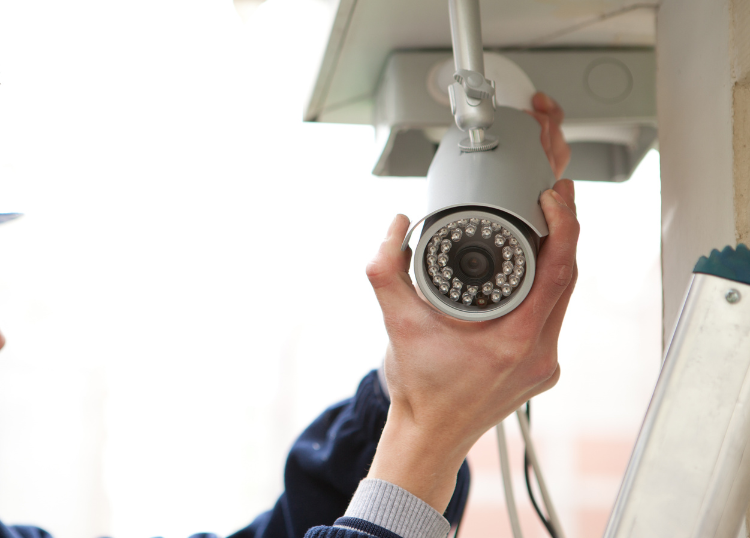
For many South African businesses, December brings a significant change to normal operations. Offices close, factories reduce production, warehouses operate with smaller teams and some commercial properties remain largely unoccupied until the new year.
Although the shutdown provides employees with a welcome break, it also changes how business premises are monitored and managed. Buildings that are normally occupied throughout the working day may stand empty for extended periods, while fewer staff members are available to notice unusual activity or respond to maintenance problems.
Security systems become particularly important under these conditions. Alarm systems, CCTV cameras, access controls and monitoring services may provide essential information when employees are not on site. However, their effectiveness depends on correct configuration, reliable power and communications, appropriate maintenance and clear response procedures.
A business that has not tested its alarm system for several months may only become aware of a fault when the premises are already closed. Similarly, a camera that appears to be recording may have a storage problem, while an access control system may still permit entry to former employees or contractors.
Preparing for the December shutdown should therefore involve more than locking the doors and activating the alarm. It requires a coordinated review of physical security, electronic systems, monitoring arrangements and the people responsible for responding if something goes wrong.
Why the December Shutdown Requires a Different Security Approach
During normal operations, employees provide an additional layer of awareness. Staff may notice an open door, a damaged gate or unfamiliar activity near a building. Reception personnel, security officers and facilities teams may also identify problems before they become serious.
When a business closes for several weeks, many of these everyday checks disappear. A security system that normally supports an occupied building may need to operate as the primary means of detecting certain incidents.
The shutdown can also affect response arrangements. Keyholders may be travelling, maintenance contractors may have limited availability and security service providers may be managing increased seasonal demand. These factors make advance planning important.
The objective is not to assume that every closed business will experience a security incident. It is to identify the practical risks created by reduced occupancy and ensure that the premises can be monitored and managed appropriately.
Start With a Security Risk Review
Before testing individual systems, review how the premises will be used during December. A completely closed office has different requirements from a warehouse that continues receiving deliveries or a factory operating with a reduced maintenance team.
Consider which buildings will be occupied, which entrances must remain accessible and whether contractors or security personnel will need entry. Also identify valuable equipment, stock, sensitive documents and areas where an incident could cause significant operational disruption.
The review should include previous security concerns and any unresolved maintenance issues. A gate that regularly fails to close properly or a camera that frequently loses its connection deserves attention before the property becomes less frequently occupied.
This process helps the business prioritise the most important work rather than treating every system component as equally urgent.
Confirm the Shutdown Dates and Occupancy Arrangements
Security planning depends on accurate information about when the business will close and reopen. Some organisations shut down completely, while others maintain limited operations or allow selected employees to access the premises.
The security team should receive a confirmed schedule showing the expected closure period, authorised working dates and any planned deliveries or maintenance visits. This information can help distinguish legitimate activity from unexpected access.
Where several departments occupy the same property, arrangements should be coordinated. One department may assume that the building will be empty while another has scheduled contractors to attend.
A shared closure schedule reduces confusion and helps ensure that alarm settings and access permissions reflect actual operations.
Test the Alarm System Before Staff Leave
An alarm system should be tested before the shutdown rather than assumed to be functional because its keypad or control panel appears normal. Testing should follow the manufacturer's instructions and the procedures agreed with the monitoring provider.
A proper check may include confirming that relevant detection devices respond correctly, the system arms and disarms as intended, and signals reach the monitoring service where applicable. Any faults should be investigated by a qualified technician.
Testing should be arranged in advance so that the monitoring centre knows when test signals may occur. Uncoordinated testing can create unnecessary alarm activations or response confusion.
The aim is to confirm that the system is operational and that the business understands what will happen if an alarm is triggered while the premises are closed.
Check Alarm Sensors and Detection Devices
Commercial alarm systems may use a combination of door contacts, motion detectors and other detection devices. Their effectiveness depends on suitable placement, correct operation and the conditions within the building.
Furniture changes, new partitions or equipment placed in front of a detector can affect its intended coverage. Renovations and layout changes may also leave areas insufficiently protected if the alarm system has not been reviewed.
Before December, ask the security provider to assess any changes that could influence detection. Devices showing faults or unreliable operation should be examined rather than repeatedly reset without investigating the cause.
A system should be assessed according to the building's actual layout and security requirements, not simply the number of sensors installed.
Review Alarm Zones and Arming Procedures
Many commercial alarm systems divide premises into separate zones. This can allow certain areas to remain occupied while others are secured, depending on the system's design and configuration.
During a December shutdown, the business should confirm which zones need to be armed and whether any scheduled access arrangements require different settings. Staff responsible for closing the premises should understand the approved arming procedure.
Unnecessary last-minute configuration changes should be avoided unless they are properly assessed and tested. Incorrect settings can create false alarms or leave areas without the intended protection.
A written closing procedure helps ensure that the system is activated consistently, particularly when the person completing the final lock-up is not the usual keyholder.
Confirm Alarm Monitoring Arrangements
An alarm connected to a monitoring centre operates differently from a system that only sounds a local siren. Businesses should understand what their monitoring agreement includes and what happens when a signal is received.
Ask the provider to confirm that the account is active, the correct premises details are recorded and the expected signals are being received. The business should also understand how the monitoring centre distinguishes different alarm events and initiates the agreed response.
Monitoring does not automatically mean that a security officer will attend every activation. The response depends on the service agreement, the event and the provider's procedures.
Clarifying these arrangements before December prevents business owners from relying on assumptions about the level of protection they have purchased.
Understand the Difference Between Monitoring and Armed Response
Alarm monitoring generally involves receiving and assessing signals from a security system. Armed response is a separate service involving personnel who may attend a property in accordance with an agreed response arrangement.
Some providers offer both services, while others supply monitoring without physical response. Coverage areas, operating procedures and contractual terms may also differ.
Before the shutdown, confirm exactly which services apply to the premises. Ask how incidents are escalated, what information is provided to keyholders and what limitations may affect attendance.
A business should not assume that an alarm subscription includes every form of emergency assistance. The service agreement should make responsibilities clear.
Review CCTV Camera Coverage
CCTV systems can support incident assessment and provide useful records when an event occurs. However, cameras must be correctly positioned and operational to provide meaningful information.
Before closing, review whether important entrances, access routes and relevant operational areas remain within the intended coverage. Changes to landscaping, signage, shelving or building layouts may affect camera views.
The review should also consider image quality under the lighting conditions likely to occur during the shutdown. A camera that produces a clear daytime image may provide less useful footage at night.
Camera placement should be assessed in accordance with legitimate security needs and applicable privacy requirements. More cameras do not automatically produce a better system.
Check Camera Image Quality and Recording
A live camera image does not necessarily confirm that footage is being stored correctly. Recording settings, storage devices and system faults can affect whether useful footage is available later.
Businesses should check that cameras are recording as intended and that recorded footage can be retrieved. Date and time settings should also be accurate, as incorrect timestamps can complicate incident reviews.
Image quality should be assessed at the points where identification or event assessment may be necessary. Dirty lenses, damaged housings and poor lighting can reduce the usefulness of footage.
Where technical problems are identified, a suitable service provider should investigate them before the shutdown begins.
Confirm CCTV Storage Capacity
CCTV storage requirements depend on factors such as the number of cameras, recording settings, image resolution and retention arrangements. A system may overwrite older recordings automatically when its allocated storage becomes full.
Businesses should understand their intended retention period and confirm that the system is operating accordingly. The appropriate period depends on operational needs and applicable legal or contractual requirements.
It is also important to know how footage can be preserved if an incident occurs. Relevant recordings may need to be exported or secured before routine overwriting takes place.
Storage settings should be reviewed by someone familiar with the system rather than changed without understanding the effect on recording quality and retention.
Test Remote CCTV Access
Some businesses use mobile applications or web portals to view security cameras remotely. This can be useful during a shutdown, particularly when owners or managers are away from the premises.
However, remote access should be tested before staff leave. Confirm that authorised users can connect, that the correct cameras are displayed and that the connection works as intended.
Access should also be secured through appropriate account controls. Shared passwords, unnecessary user accounts and outdated permissions can create security risks.
Remote viewing is a supporting tool rather than a complete response plan. The business still needs to know who will act if footage indicates a problem.
Review Access Control Permissions
Access control systems may manage entry through cards, tags, codes or electronic credentials. Over time, permissions can accumulate as employees change roles, contractors complete projects and temporary staff leave.
Before December, review who currently has access to the premises. Credentials that are no longer required should be withdrawn through the appropriate administrative process.
The business should also confirm whether authorised staff need access during the shutdown and whether their permissions match the agreed schedule.
Changes should be documented and tested. Incorrectly removing access may prevent essential personnel from entering, while retaining unnecessary permissions can create avoidable risk.
Check Doors, Gates and Electronic Locks
Electronic security depends partly on the physical condition of doors, gates and locking mechanisms. A functioning alarm cannot compensate for a door that does not close properly or a gate that regularly remains open.
Inspect relevant entrances for visible defects, including damaged locks, faulty closers and unreliable gate operation. Motorised gates should be checked for normal operation and referred to qualified technicians when problems are identified.
The business should also understand how electronic locks and gates behave during a power failure. Emergency access and safe exit arrangements must remain appropriate for the building and its occupants.
Security improvements should never compromise required fire exits or other life-safety provisions.
Check Perimeter Security and External Lighting
Perimeter security may include fencing, gates, lighting and other measures intended to manage access to the property. These elements should be inspected before the shutdown.
Look for obvious damage, vegetation obstructing important views and external lights that are no longer working. Outdoor equipment may also be affected by weather exposure or deferred maintenance.
Lighting should support visibility without creating unnecessary glare or interfering with neighbouring properties. Any changes should reflect the site's layout and operating conditions.
The purpose of the inspection is to identify maintenance needs and ensure that existing security measures function as intended.
Review Power Backup Arrangements
Security systems may depend on mains electricity, batteries, inverters or other backup arrangements. During a power interruption, different components may remain operational for different lengths of time.
Businesses should confirm which devices have backup power and whether those systems have been tested. An alarm control panel may have a battery while cameras, network equipment or electronic gates rely on separate supplies.
Backup duration should not be assumed. Battery condition, connected equipment and system configuration all influence performance.
A qualified service provider can help assess whether the existing arrangements are suitable for the premises and expected shutdown conditions.
Test Alarm Backup Batteries
Alarm systems commonly include backup batteries intended to support operation during certain power interruptions. These batteries deteriorate over time and may no longer perform as expected even when the system appears normal.
A maintenance inspection can assess battery condition and identify replacement needs. Businesses should avoid relying solely on the absence of a warning indicator as proof that backup performance is adequate.
Battery replacement and testing should follow the system manufacturer's requirements and be completed by appropriately competent personnel.
Completing this work before December reduces the likelihood of discovering a battery problem during an extended closure.
Check Internet and Communication Connections
Many modern security systems rely on communication links to send alerts, support remote access or connect to monitoring services. These links may use mobile networks, fixed internet connections or other arrangements.
The business should confirm which connections are required and whether they will remain active throughout the shutdown. A scheduled internet cancellation, unpaid service account or network equipment failure could affect some security functions.
Where the system includes alternative communication methods, ask the provider how they operate and whether they have been tested.
The objective is to understand the actual communication arrangement rather than assume that every device will continue functioning independently during an outage.
Review Network Equipment Supporting Security Systems
CCTV recorders, network switches, routers and other equipment may support security operations. If these devices are switched off during the shutdown, connected systems may lose functionality.
Before staff leave, identify which network components must remain powered and which can safely be shut down. This should be coordinated with the business's IT and security providers.
Avoid making major network changes immediately before closure unless they are necessary and properly tested. A last-minute configuration adjustment may interrupt camera connectivity or remote monitoring.
Documenting essential equipment can also help authorised personnel identify the correct devices if technical support is required.
Secure Security System Accounts
Remote security platforms and access control systems may use administrator accounts, passwords and other authentication methods. These accounts should be managed carefully because they can provide access to sensitive information or system settings.
Review authorised users and remove access that is no longer required. Where supported, use strong authentication controls and avoid unnecessary sharing of administrator credentials.
The business should also confirm that at least one appropriate authorised person can access essential administrative functions during the shutdown.
Security account management should be coordinated with existing IT policies rather than handled through informal password sharing.
Update Emergency Contact Details
A monitoring service can only contact the right people if its records are accurate. Before December, confirm the names and telephone numbers of designated keyholders and emergency contacts.
The list should reflect actual holiday availability. An employee travelling internationally or visiting an area with limited connectivity may not be suitable as the only contact.
Where several people are listed, establish the order in which they should be contacted. The provider should also know whether different incidents require different escalation arrangements.
A current contact list is one of the simplest and most important elements of shutdown preparation.
Appoint Responsible Keyholders
Keyholders may be required to attend the premises, arrange access for emergency services or coordinate repairs after an incident. The role should therefore be assigned deliberately rather than treated as an informal favour.
A designated keyholder needs appropriate authority, access arrangements and an understanding of the response procedure. They should know who to contact and what actions fall outside their responsibility.
Businesses should avoid expecting employees to enter potentially unsafe premises following an alarm. Where there is a suspected security incident, the response should follow the agreed procedures and the directions of appropriate security or emergency personnel.
Backup keyholders are useful when the primary contact is unavailable.
Coordinate With the Security Service Provider
A pre-shutdown discussion with the security provider can help identify issues that might otherwise be overlooked. The business can confirm service arrangements, contact details, planned maintenance and any unusual access requirements.
Ask whether the provider has specific procedures for businesses closing over December. Some arrangements may require advance notification of closure dates or changes to authorised contacts.
The discussion should also clarify how faults are reported and whether technical support remains available during public holidays.
Clear communication helps ensure that the business and service provider are working from the same information.
Confirm Response Arrangements for Public Holidays
Public holidays and year-end leave can affect staffing arrangements across many industries. Businesses should understand how their security provider manages these periods and whether contracted services continue under the agreed terms.
Ask about the process for reporting urgent faults, requesting assistance and escalating incidents. If specialist technical support has limited availability, identify the implications before the premises close.
Avoid assuming that response times will remain identical under all conditions. The provider should explain its service commitments and any relevant limitations.
Knowing what to expect allows the business to make suitable contingency arrangements.
Prepare for False Alarms
False alarms can create unnecessary disruption and may result from equipment faults, environmental conditions or incorrect system use. During a shutdown, they can also place pressure on keyholders who are away from work.
A pre-closure system check should identify recurring faults that need attention. Staff responsible for arming the system should understand the correct procedure, and the monitoring provider should have accurate information about authorised access.
However, the business should not simply disable troublesome detection devices without a proper assessment. Doing so may reduce the protection the system is intended to provide.
Persistent false alarms should be investigated and corrected by a suitable technician.
Review Fire Detection and Life-Safety Systems
Business security planning should not overlook fire detection and other life-safety systems. A building may remain exposed to fire, electrical faults or other emergencies even when it is unoccupied.
Fire alarms, detection systems and related equipment should be maintained according to applicable requirements and the building's specific arrangements. Businesses should also confirm how relevant alerts are communicated during the shutdown.
Security changes must not interfere with emergency exits or required safety systems. Electronic access controls, for example, need to be considered alongside safe evacuation arrangements.
Where specialist inspections are required, they should be completed by appropriately qualified providers.
Check Water Leaks and Other Building Risks
An extended shutdown can allow maintenance problems to remain unnoticed. A water leak, failed refrigeration unit or other building fault may cause damage before employees return.
Although these issues are not always part of a traditional security system, they should be considered during closure planning. Some businesses use monitoring devices for particular environmental or equipment risks.
The appropriate measures depend on the premises. A warehouse storing temperature-sensitive goods has different requirements from a small office.
A coordinated facilities and security review can identify which systems need to remain operational and who should respond to relevant alerts.
Review Valuable Equipment and Stock
Businesses should identify equipment, stock and other assets that require particular attention during the shutdown. This may include computers, specialist tools, machinery, inventory or sensitive documents.
The review should consider where items are stored, who has access and whether existing controls remain suitable while the premises are unoccupied.
However, the objective is not to create an unnecessarily complicated security arrangement. Practical steps may include confirming that designated storage areas are secured and that asset records are current.
The business should also avoid leaving valuable portable items in unsecured areas simply because the building itself has an alarm system.
Secure Confidential Business Information
Physical security and information security are closely connected. Offices may contain customer records, employee information, contracts and other confidential documents.
Before closing, ensure that sensitive paperwork is stored appropriately and that unattended workstations and devices are secured. Access to digital systems should follow the organisation's normal IT security procedures.
Businesses should also consider how contractors or temporary personnel may encounter confidential information while working on the premises.
Security planning should protect both physical assets and information, with appropriate attention to applicable privacy obligations.
Review Contractor Access During the Shutdown
December may be used for maintenance, renovations, cleaning or other work that is difficult to complete during normal operations. Contractors may therefore need access while most employees are away.
Their visits should be scheduled and authorised in advance. The business should know who is attending, which areas they may enter and who is responsible for coordinating access.
Alarm and access control arrangements may need to accommodate these visits without leaving unrelated areas unsecured.
A clear contractor schedule helps prevent legitimate activity from being mistaken for an incident and reduces the risk of access permissions remaining active longer than necessary.
Coordinate Cleaning and Maintenance Services
Cleaning and maintenance teams may be among the last people to enter the premises before the shutdown or the first to attend during the closure.
The business should confirm their schedules and ensure that they understand relevant lock-up procedures. Staff should know whom to contact if they notice damaged locks, faulty lighting or other security concerns.
However, cleaners and maintenance contractors should not be expected to take responsibility for security systems outside their agreed roles.
Clear instructions help prevent situations where one team assumes another has armed the alarm or secured a particular entrance.
Plan the Final Lock-Up Procedure
The final day of operations deserves a structured closing process. A rushed departure can result in unlocked doors, active access permissions that should have been changed or equipment being switched off unintentionally.
Assign responsibility for the final security check and provide a written procedure suited to the premises. The check should cover relevant doors, windows, gates, alarms and essential equipment.
It should also confirm that authorised shutdown contacts know the building is closed and that the monitoring provider has any required information.
A documented handover reduces reliance on memory and makes responsibilities clear.
Avoid Switching Off Essential Security Equipment
Businesses often shut down non-essential equipment to reduce electricity consumption and maintenance risks. However, some devices must remain powered for security and monitoring systems to function.
The IT, facilities and security teams should identify essential equipment before the final shutdown. This may include alarm components, CCTV recorders, communication devices and relevant backup power systems.
The business should not assume that a device is unnecessary because it is located in an office or server cabinet.
A coordinated shutdown list helps prevent accidental interruption of systems that need to remain operational.
Review Remote Monitoring Notifications
Some security systems send notifications through mobile applications, email or other channels. These alerts can be useful, but only when the correct people receive and understand them.
Before December, confirm that notifications are enabled where required and that authorised contacts know what different alerts mean. Test the process in accordance with the provider's procedures.
Too many low-priority notifications can make important events harder to identify, while missing alerts may leave responsible personnel unaware of a problem.
The notification arrangement should reflect the business's response plan rather than simply sending every possible message to every manager.
Establish an Incident Response Plan
A security incident during the shutdown requires a clear response process. The plan should identify who receives the initial notification, who assesses the information and who has authority to arrange further action.
It should also include relevant service provider and emergency contact details. Where a physical response is necessary, the business should follow established security and safety procedures.
Employees should not be instructed to confront suspected intruders or enter unsafe premises. Appropriate security personnel and emergency services should handle situations requiring specialist intervention.
A concise written plan is more useful than an informal assumption that someone will know what to do.
Document Security System Information
Security information should be organised so that authorised personnel can find it when needed. Relevant records may include service provider contacts, maintenance dates, equipment details and agreed response procedures.
However, sensitive information such as administrator credentials, access codes and detailed security configurations should be protected appropriately. It should not be circulated broadly through unsecured documents.
A controlled record helps maintain continuity when the usual facilities manager or security contact is unavailable.
It can also support troubleshooting if a technician needs to assess a fault during the shutdown.
Check Service Agreements and Maintenance Cover
Before December, review the services covered by existing security agreements. Businesses should understand which maintenance activities are included, how faults are reported and whether emergency call-outs incur additional charges.
It is also useful to confirm the status of service accounts and any planned contract changes. A misunderstanding about coverage may only become apparent when urgent assistance is required.
Where the business relies on several providers, responsibilities should be clearly separated. For example, the CCTV installer may not maintain the alarm system, and the armed response company may not provide network support.
Knowing who is responsible for each system reduces delays when problems arise.
Schedule Maintenance Before the Holiday Rush
Security service providers may experience increased demand as businesses prepare for year-end closure. Waiting until the final working day to request inspections can limit the time available for repairs.
Businesses should identify maintenance requirements early and schedule suitable technicians before the shutdown. Any replacement parts or specialist work may also require lead time.
This is particularly important for recurring faults that have been tolerated during normal operations. A problem that seems manageable when staff are present may become more significant when the building is unoccupied.
Early maintenance allows time for testing after repairs rather than treating the repair itself as proof that the system is ready.
Avoid Major Unnecessary System Changes Just Before Closure
A December security review may reveal opportunities to improve the system. However, replacing several components or introducing a completely new monitoring arrangement immediately before closure can create additional risk if there is insufficient time for testing.
Necessary repairs and urgent security corrections should not be delayed. The distinction is between addressing an existing problem and undertaking optional changes that could be scheduled more safely.
Where significant work is unavoidable, it should include appropriate commissioning, user training and confirmation that monitoring and response arrangements function correctly.
The priority before shutdown is a dependable system that responsible personnel understand.
Prepare a Security Checklist for Multiple Premises
Businesses operating several offices, warehouses or branches need a consistent approach while recognising that each property may have different risks.
A standard checklist can help ensure that alarm testing, contact reviews, access permissions and final lock-up arrangements are not overlooked. However, the checklist should allow for site-specific requirements.
One branch may need to maintain access for deliveries, while another will be completely closed. A warehouse may require additional monitoring of equipment or stock.
Central oversight can support consistency, but local personnel should confirm the actual conditions at each site.
Make Responsibilities Clear Across Departments
Security preparation often involves several departments. Facilities teams may manage building maintenance, IT teams may support network equipment, and security providers may maintain alarms and CCTV.
Without coordination, important tasks can be missed. One team may assume another is responsible for backup power, while neither has confirmed that the equipment is functioning.
A simple responsibility list can prevent this confusion. Each task should have an owner, a completion date and a method of confirming that the work has been done.
The process does not need to be complicated, but accountability should be clear before employees leave.
Conduct a Final Security Review Before Closure
A final review should confirm that the most important checks have been completed and that outstanding issues have been assessed.
This is an opportunity to verify that the alarm is functioning, monitoring contacts are current, access arrangements are correct and essential equipment will remain powered.
Any unresolved faults should be documented, together with the measures being taken to manage them. A business should not treat an incomplete checklist as acceptable simply because the shutdown date has arrived.
The final review provides a practical handover between normal operations and the reduced-occupancy period.
Monitor Security Arrangements During the Shutdown
Security preparation does not end when the building closes. The business should have an agreed method for reviewing important alerts and confirming that monitoring arrangements remain operational.
The frequency and type of checks will depend on the premises and services in place. Some businesses may receive routine system status reports, while others rely on event-based notifications and scheduled inspections.
Any physical site visits should be planned and conducted safely by authorised personnel. They should not interfere with active security procedures or create unnecessary confusion for monitoring teams.
The objective is to maintain appropriate oversight without requiring employees to manage the property continuously during their leave.
Plan for Reopening in January
Security arrangements should also support the return to normal operations. Access permissions, alarm schedules and contractor arrangements may need to be reviewed when employees return.
A reopening check can identify faults, maintenance issues or unusual events that occurred during the closure. It is also an opportunity to confirm that essential systems remain operational before normal business activity resumes.
Where temporary shutdown settings were introduced, they should be reviewed and returned to the appropriate operating configuration.
A structured reopening process helps prevent temporary arrangements from becoming permanent oversights.
Common December Shutdown Security Mistakes
One common mistake is assuming that an alarm system is working because it has not recently reported a fault. Another is failing to confirm whether monitoring signals are reaching the correct provider.
Businesses may also forget to update emergency contacts, review access permissions or check backup power arrangements. In some cases, essential network equipment is switched off during the final shutdown, affecting cameras or remote access.
Other problems arise from unclear responsibilities. Staff may assume that someone else has completed the final lock-up or arranged maintenance for a known defect.
These mistakes are generally easier to prevent when security preparation begins early and follows a documented process.
A Practical December Shutdown Security Checklist
Before closing the premises, confirm the following:
- Shutdown arrangements: Closure dates, authorised access and planned contractor visits are documented.
- Risk review: Important assets, vulnerable areas and unresolved security concerns have been assessed.
- Alarm system: Relevant detection devices, zones and arming procedures have been tested.
- Monitoring: The monitoring provider has confirmed the account and appropriate signal reception.
- Armed response: Any contracted response arrangements and their limitations are understood.
- CCTV: Cameras, recording, timestamps and footage retrieval have been checked.
- Access control: Unnecessary permissions have been withdrawn and authorised access confirmed.
- Physical security: Doors, locks, gates, fencing and external lighting have been inspected.
- Backup power: Essential batteries and power arrangements have been assessed.
- Communications: Required internet, mobile and network connections will remain operational.
- Emergency contacts: Keyholders and backup contacts are available during the closure.
- Contractors: Planned visits and access responsibilities are coordinated.
- Life-safety systems: Relevant fire detection and emergency arrangements remain appropriate.
- Maintenance: Known faults have been repaired or formally assessed.
- Final lock-up: A responsible person has been assigned to complete and confirm the closing procedure.
- Incident response: Authorised personnel understand how alerts and emergencies will be handled.
- Reopening: A January inspection and return-to-operation process have been planned.
The checklist should be adapted to the size, layout and operating requirements of the business. Complex sites may require a more detailed assessment by qualified security and facilities professionals.
Final Thoughts
The December shutdown changes the way business premises are occupied, monitored and managed. Buildings that are normally supported by employees and daily operational checks may remain unattended for extended periods, making reliable security systems and clear response arrangements particularly important.
Preparing properly involves more than checking that the alarm can be activated. Businesses should review CCTV recording, access control permissions, backup power, communication links and monitoring agreements. They should also confirm who will respond if an incident occurs and how essential maintenance will be handled during the holiday period.
Early planning is valuable because it provides time to identify faults, arrange technical assistance and test repairs before staff leave. It also allows security providers, facilities teams and business managers to coordinate responsibilities without the pressure of the final working day.
For South African businesses, a practical December security checklist can support a more orderly shutdown and reduce uncertainty during the festive season. The objective is not to guarantee that incidents will never occur, but to ensure that existing protections are functioning and that the business is prepared to respond appropriately.
A well-managed security handover helps protect premises, equipment and information while giving employees greater confidence that essential arrangements remain in place until normal operations resume.