Carpets rarely look dirty overnight.
The change usually happens gradually.
Dust settles into the fibres. Shoes bring in soil. Pets leave hair and dirt behind. Drinks get spilled, and high-traffic areas slowly become darker than the rest of the room.
Because the change is gradual, it is easy to postpone proper carpet cleaning until the carpet looks noticeably tired.
A better approach is to clean according to use rather than waiting for visible dirt.
How often that needs to happen depends on the household, the room and what the carpet deals with every day.
There Is No Universal Carpet-Cleaning Schedule
A quiet guest bedroom and a busy family living room should not follow the same cleaning routine.
The right frequency depends on factors such as:
- Number of occupants
- Children
- Pets
- Foot traffic
- Shoes worn indoors
- Allergies
- Spills
- Carpet colour
- Carpet construction
Some carpets may need deep cleaning relatively frequently.
Others can remain in good condition for much longer with regular vacuuming and prompt spot cleaning.
Vacuuming and Deep Cleaning Are Different
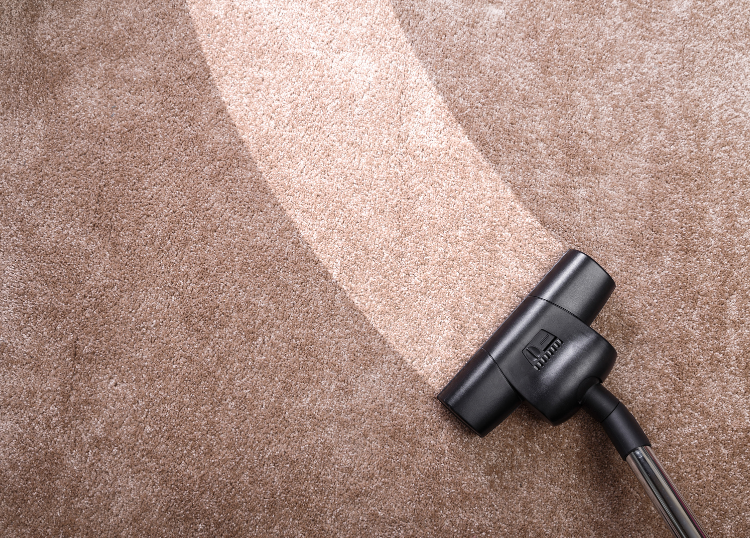
Vacuuming removes loose surface dirt, dust and debris.
Deep cleaning goes further into the carpet and is intended to remove dirt that ordinary vacuuming does not.
A complete carpet-care routine therefore usually includes:
- Regular vacuuming
- Prompt treatment of spills
- Periodic deep cleaning
Deep cleaning should not be treated as a replacement for routine vacuuming.
The two perform different jobs.
How Often Should You Vacuum?
The answer depends largely on traffic.
Busy areas may need vacuuming several times a week.
Lower-use rooms may need it less frequently.
High-traffic areas commonly include:
- Entrances
- Hallways
- Living rooms
- Family rooms
- Office passages
Pet owners may also need to vacuum more frequently because hair and tracked-in dirt can accumulate quickly.
High-Traffic Areas Need More Attention
Carpet near doorways and frequently used walking routes often becomes dirty first.
You may notice darker paths developing between:
- Doorways
- Sofas
- Desks
- Kitchens
- Passageways
These areas receive repeated pressure that pushes dirt deeper into the carpet.
More frequent vacuuming can help slow the build-up.
How Often Should Carpets Be Deep Cleaned?
For many ordinary households, periodic professional or thorough deep cleaning may be appropriate roughly every 12 to 18 months.
However, that should be treated as a broad guide rather than a fixed rule.
A busy home with children, pets or substantial foot traffic may benefit from cleaning more often.
A lightly used household may be able to leave longer between deep cleans.
The carpet manufacturer's care guidance should also be considered.
Homes With Children May Need More Frequent Cleaning
Children tend to spend more time directly on floors.
They also have an impressive ability to introduce:
- Food
- Drinks
- Mud
- Paint
- Craft materials
into carpeted rooms.
Family living areas and children's bedrooms may therefore need more frequent attention than low-use parts of the home.
Prompt spill treatment can make a major difference.
Pets Change the Cleaning Schedule
Dogs and cats can contribute:
- Hair
- Dander
- Dirt
- Mud
- Odours
A household with several pets may need significantly more frequent vacuuming and deep cleaning than a pet-free home.
Entrances used by animals can become particularly dirty.
Keeping a washable mat near frequently used doors can reduce some of what reaches the carpet.
Indoor Pets Can Create Localised Problem Areas
Pets often use the same routes and sleeping areas repeatedly.
You may notice greater build-up:
- Near pet beds
- In front of doors
- Along favourite walking routes
- Around furniture
These areas may need targeted cleaning even when the rest of the carpet still looks good.
Allergies May Influence Cleaning Frequency
Carpets can collect dust and other particles over time.
People sensitive to airborne particles may prefer a more frequent cleaning routine.
Regular vacuuming using appropriate equipment can be particularly important.
However, carpet cleaning should not be treated as medical treatment for allergies.
People with significant allergy or respiratory concerns should follow advice from an appropriate healthcare professional.
Shoes Bring Dirt Indoors
A large amount of carpet soil begins outside the house.
Footwear can carry:
- Dust
- Sand
- Mud
- Fine grit
into carpeted areas.
A household where outdoor shoes are regularly worn inside may need more frequent carpet cleaning than one where shoes are removed at the entrance.
Good entrance mats can also reduce tracked-in dirt.
Entrance Mats Make Carpet Maintenance Easier
Mats placed at exterior doors can capture some dirt before it reaches the carpet.
Use mats that are:
- Large enough to walk across
- Easy to clean
- Suitable for the entrance
Clean them regularly.
A mat already filled with dirt cannot capture much more.
Light-Coloured Carpets Show Dirt Earlier
Pale carpets can reveal:
- Soil
- Food stains
- Mud
- General discolouration
more quickly than darker colours.
That does not necessarily mean they become physically dirtier faster.
The dirt is simply more visible.
Visible appearance may therefore lead owners of light carpets to clean them more frequently.
Dark Carpets Can Hide Dirt
Dark or patterned carpets can conceal everyday dirt surprisingly well.
That can create a false sense that the carpet is clean.
Do not use appearance as the only guide.
A carpet can contain substantial soil before the dirt becomes obvious.
Carpet Type Matters
Different carpet fibres and constructions can have different maintenance requirements.
Manufacturers may provide specific instructions regarding:
- Cleaning methods
- Products
- Water temperature
- Stain treatments
- Professional cleaning
Follow those recommendations where available.
Using an unsuitable cleaning method can damage fibres, affect colour or interfere with warranties.
Check the Manufacturer's Warranty
Some carpet warranties include maintenance requirements.
These may specify:
- Cleaning methods
- Professional cleaning intervals
- Record-keeping requirements
If the carpet is still under warranty, check the documentation before choosing a cleaning process.
Using an unapproved method could create problems if a future warranty claim arises.
Commercial Carpets Often Need More Frequent Cleaning
Commercial environments generally experience much heavier foot traffic than homes.
Examples include:
- Offices
- Hotels
- Retail stores
- Restaurants
- Reception areas
These carpets may require more frequent deep cleaning, particularly in entrances and primary walking routes.
A maintenance programme can combine routine vacuuming, spot treatment and periodic extraction or other appropriate professional methods.
Offices Need Cleaning Based on Traffic
A small office with five employees will have different requirements from a building used by hundreds of people.
Consider:
- Number of staff
- Visitor numbers
- Weather
- Entrance design
- Food and drink areas
Reception areas and passages may need more frequent cleaning than private offices.
Restaurants Have Different Carpet Challenges
Food-service environments may expose carpets to:
- Food
- Drinks
- Oils
- High foot traffic
Any carpet used in these environments needs a cleaning schedule suited to those conditions.
Waiting too long between deep cleans can allow staining and odours to become more difficult to manage.
Hotels Need Consistent Carpet Maintenance
Hotels need carpets to remain presentable despite constant use.
Different spaces may require different schedules.
For example:
- Corridors
- Lobbies
- Guest rooms
- Function areas
all experience different levels of traffic.
Regular maintenance can reduce the need for frequent full replacement.
Clean Spills Immediately
Deep-cleaning schedules should not determine when spills are treated.
A spill should be addressed as soon as practical.
The longer a substance remains in the carpet, the more difficult staining may become.
Follow the carpet manufacturer's guidance and use an appropriate cleaning method for the particular substance and fibre.
Blot Rather Than Scrub
Aggressive scrubbing can sometimes spread a spill or damage carpet fibres.
Blotting with an appropriate absorbent cloth is often a better first response.
Work carefully and avoid saturating the carpet unnecessarily.
For difficult stains, professional treatment may be safer than repeatedly applying household products.
Avoid Random Cleaning Chemicals
Mixing cleaning chemicals or applying unsuitable products can:
- Damage fibres
- Change colour
- Leave residue
- Set certain stains
Always follow product directions and carpet-care guidance.
Test products in an inconspicuous area where appropriate.
Never mix household cleaning chemicals unless the manufacturer specifically instructs you to do so.
Residue Can Attract Dirt
Using too much detergent during carpet cleaning can leave residue behind.
That residue may make the carpet feel sticky and attract new dirt.
More cleaning product does not necessarily produce a cleaner carpet.
Use products and equipment according to their instructions.
Don't Over-Wet the Carpet
Excess moisture can cause problems.
A carpet that remains wet for too long may develop:
- Odours
- Browning
- Damage to backing
- Moisture problems beneath the carpet
Proper extraction and drying are important.
Good ventilation can help carpets dry more quickly after suitable cleaning.
Drying Time Matters
Avoid immediately putting heavy furniture back onto a damp carpet.
Also limit traffic until the carpet has dried adequately.
Professional cleaners should be able to provide guidance on expected drying times.
Actual time can depend on:
- Cleaning method
- Carpet thickness
- Humidity
- Ventilation
- Weather
Professional Cleaning Can Be Useful
Hiring a professional can be worthwhile when:
- The carpet is heavily soiled
- Stains are difficult
- Large areas need cleaning
- Suitable equipment is unavailable
- Manufacturer requirements call for professional cleaning
Professional services can also be useful in commercial properties where cleaning needs to happen efficiently and with minimal disruption.
Ask What Cleaning Method Will Be Used
"Carpet cleaning" can refer to several methods.
Ask the provider:
- What method they recommend
- Why it suits the carpet
- How long drying will take
- What preparation is required
The correct method may depend on fibre type, construction and level of soiling.
Steam Cleaning Is a Common Term
People often use the phrase "steam cleaning" to describe hot-water extraction.
The process generally involves applying a cleaning solution and extracting moisture and soil using specialised equipment.
The terminology can vary between companies.
Ask exactly what process will be used rather than relying only on the marketing name.
Dry or Low-Moisture Methods May Be Appropriate in Some Situations
Certain carpet-cleaning methods use less moisture and may provide shorter drying times.
These can be useful in some commercial environments or for particular carpet types.
No single cleaning method is automatically best for every carpet.
The method should suit the material, condition and manufacturer guidance.
Rental Machines Can Be Useful but Require Care
Home carpet-cleaning machines can provide a convenient option for some households.
However, results depend heavily on how they are used.
Common mistakes include:
- Too much detergent
- Excess water
- Inadequate extraction
- Repeated passes over the same area
Read the instructions carefully and do not assume stronger cleaning means using more solution.
Signs Your Carpet Needs Cleaning
Do not rely entirely on a calendar.
Your carpet may need attention if you notice:
- Visible traffic lanes
- Persistent odours
- General dullness
- Multiple stains
- Increased visible pet hair or debris
- A noticeable difference beneath furniture
These signs suggest the carpet may need more than routine vacuuming.
Compare Covered and Exposed Areas
One simple way to judge carpet condition is to move a small piece of furniture.
Compare the carpet that was covered with the surrounding exposed area.
If there is a noticeable difference in:
- Colour
- Brightness
- Cleanliness
a deeper clean may be overdue.
Odours Can Signal a Problem
Persistent carpet odours should not simply be covered with fragrance.
Try to identify the cause.
Odours may come from:
- Pet accidents
- Food spills
- Moisture
- General soil
If moisture or mould is suspected, the underlying issue needs attention rather than repeated surface cleaning.
Deal With Pet Accidents Quickly
Pet urine can penetrate deeper than the visible carpet surface.
Repeated accidents may affect:
- Carpet backing
- Underlay
- Subfloor
Surface cleaning alone may not resolve persistent odour.
Professional assessment can be useful where contamination has penetrated deeper layers.
Water Damage Needs Different Treatment
A carpet exposed to significant flooding or contaminated water should not be treated as an ordinary cleaning job.
Water source, drying time and contamination risk all matter.
Professional water-damage assessment may be necessary.
If there is concern about contaminated water or mould, appropriate remediation advice should be obtained.
Don't Assume Every Stain Can Be Removed
Some stains permanently alter carpet fibres or colour.
Others become more difficult after incorrect treatment.
A professional cleaner may improve the appearance substantially without being able to guarantee complete removal.
Be cautious about anyone promising that every stain will definitely disappear.
Furniture Placement Can Hide Soil Patterns
Heavy furniture protects some carpet areas from traffic while concentrating movement elsewhere.
This can create clearly defined walking paths.
Rearranging furniture occasionally may change traffic patterns, although this is not practical in every room.
Regular maintenance remains more important.
Vacuum Before Deep Cleaning
Loose dirt should generally be removed before deeper cleaning.
This allows the main cleaning process to focus on embedded soil rather than surface debris.
Professional services may include this preparation, but ask what is included.
Move Small Items Before the Cleaner Arrives
Preparing the room can make professional cleaning more efficient.
Remove items such as:
- Toys
- Small furniture
- Floor lamps
- Pet beds
Ask the cleaning company whether larger furniture needs to be moved and whether that service is included.
Do not assume every provider will move heavy items.
Make a Note of Problem Areas
Before cleaning begins, identify:
- Stains
- Pet areas
- High-traffic paths
- Previous cleaning attempts
Tell the cleaner what caused a stain if you know.
Different substances may require different treatment.
Don't Wait Until Moving Day
Many people deep clean carpets only when:
- Moving out
- Selling a property
- Preparing for tenants
That may improve appearance for the next occupant, but it means the household itself lived with the accumulated dirt for years.
Periodic cleaning during occupancy makes more practical sense.
Rental Properties Need a Clear Cleaning Standard
Landlords and tenants should understand their responsibilities regarding carpet condition.
Lease terms and local legal requirements may affect what can reasonably be required at the end of a tenancy.
Routine wear is different from damage or excessive staining.
Documenting carpet condition at move-in can reduce future disputes.
Cleaning Before Selling Can Improve Presentation
Carpet cleaning can be a relatively simple way to improve how a property presents before viewings.
Dirty traffic paths and visible stains can make rooms feel poorly maintained.
Cleaning does not repair:
- Worn carpet
- Permanent damage
- Fading
But it can help otherwise serviceable carpet look fresher.
Don't Deep Clean Too Aggressively
More frequent deep cleaning is not automatically better.
Carpets should be cleaned according to the appropriate method and their actual needs.
Poor technique or inappropriate chemicals can cause unnecessary wear.
The objective is effective maintenance, not constant intervention.
Protect Carpet After Cleaning
After a deep clean, simple habits can help keep the carpet cleaner for longer.
Consider:
- Entrance mats
- Shoe policies
- Regular vacuuming
- Prompt spill treatment
- Pet paw cleaning
The less dirt reaches the carpet, the less work is required later.
Vacuum Cleaner Maintenance Matters
A vacuum cleaner with:
- Blocked filters
- Full bags
- Tangled brushes
may perform poorly.
Follow the manufacturer's maintenance instructions.
Empty or replace collection systems as required and check brushes regularly, particularly in homes with pets.
Use the Correct Vacuum Setting
Some vacuum cleaners allow adjustment for different flooring types.
A setting suitable for hard floors may not clean carpet effectively.
Likewise, aggressive brush settings may be unsuitable for certain delicate carpet types.
Check both vacuum and carpet manufacturer guidance.
Don't Forget Under Furniture
Dust and debris can accumulate beneath:
- Sofas
- Beds
- Cabinets
Move accessible furniture periodically when vacuuming.
You do not need to relocate every heavy item each week.
Occasional deeper vacuuming prevents these areas from being ignored indefinitely.
Stairs Often Need More Frequent Attention
Carpeted stairs experience concentrated foot pressure.
The front edges of steps can become visibly soiled or worn.
Vacuum stairs carefully and include them when scheduling deeper cleaning.
Special attachments can make routine cleaning easier.
Carpet and Upholstery May Need Similar Planning
If a room contains carpet and upholstered furniture, both surfaces collect dust and everyday soil.
It can sometimes be convenient to have them professionally cleaned together.
However, upholstery fabrics have their own cleaning requirements.
A method suitable for the carpet may not be appropriate for the sofa.
Create a Simple Carpet-Care Schedule
For an ordinary household, a practical routine might look like:
Weekly or more often: Vacuum high-use areas.
As needed: Treat spills promptly.
Periodically: Vacuum lower-use and hard-to-reach areas thoroughly.
Every 12–18 months as a broad starting point: Consider deep cleaning, adjusting the interval according to traffic, pets, children and manufacturer guidance.
Busy households may need shorter intervals.
The condition of the carpet should ultimately guide the schedule.
A Practical Carpet Cleaning Checklist
Consider arranging a deep clean when:
- Traffic areas look darker
- Vacuuming no longer improves the appearance
- Persistent odours remain
- There are several visible stains
- Pets create heavy soil or hair
- A long period has passed since the previous deep clean
- Manufacturer maintenance guidance indicates cleaning is due
Regular maintenance can prevent the carpet from reaching a point where improvement becomes much harder.
Final Thoughts
So, how often should you clean your carpet?
There is no single answer that suits every property.
Regular vacuuming should form the foundation of carpet care, while deeper cleaning can be scheduled according to how heavily the carpet is used.
For many homes, roughly 12 to 18 months can provide a useful starting point for considering a deep clean.
Homes with children, pets, allergies or substantial foot traffic may need more frequent attention, while quieter rooms may need less.
Do not wait only for the carpet to look visibly dirty.
By that stage, a substantial amount of soil may already have worked its way into the fibres.
A better approach is simple: vacuum consistently, deal with spills quickly and arrange deeper cleaning according to the way the carpet is actually used.
That keeps maintenance manageable and gives the carpet a better chance of remaining presentable for longer.