Service your car regularly to keep it safe, reliable, and performing at its best. Owning a vehicle is a significant investment, and routine servicing is one of the most effective ways to protect it. Whether you drive a compact hatchback, family SUV, bakkie, or luxury sedan, scheduled maintenance improves safety, extends your vehicle's lifespan, and helps prevent unexpected breakdowns. South African roads present unique challenges, from long-distance highway travel to potholes, gravel roads, extreme temperatures, and stop-start city traffic, making regular servicing even more important.
While every manufacturer provides recommended service intervals, understanding how local driving conditions influence maintenance requirements can help you avoid expensive repairs later.
Follow the Manufacturer's Service Schedule
Most modern vehicles require servicing every 10,000 km to 15,000 km or every 12 months, whichever comes first. Some newer models using synthetic oils may extend this interval to 20,000 km, but drivers should always follow the recommendations in the owner's manual.
If you frequently drive under demanding conditions, servicing your vehicle sooner is often the smarter choice.
South African Driving Conditions Matter
Your car experiences more wear if you regularly drive in:
- Heavy urban traffic with constant braking.
- Dusty gravel or mining roads.
- Very hot summer temperatures.
- Mountainous areas requiring frequent gear changes.
- Long-distance holiday travel.
These conditions place additional strain on engine oil, tyres, suspension components, brakes, and cooling systems. Drivers who regularly encounter these environments should have their vehicles inspected more frequently than the standard service schedule.
What Happens During a Vehicle Service?
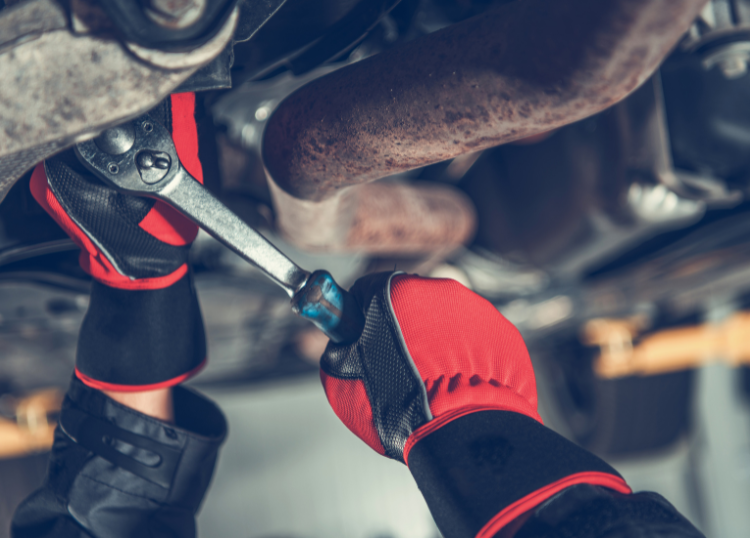
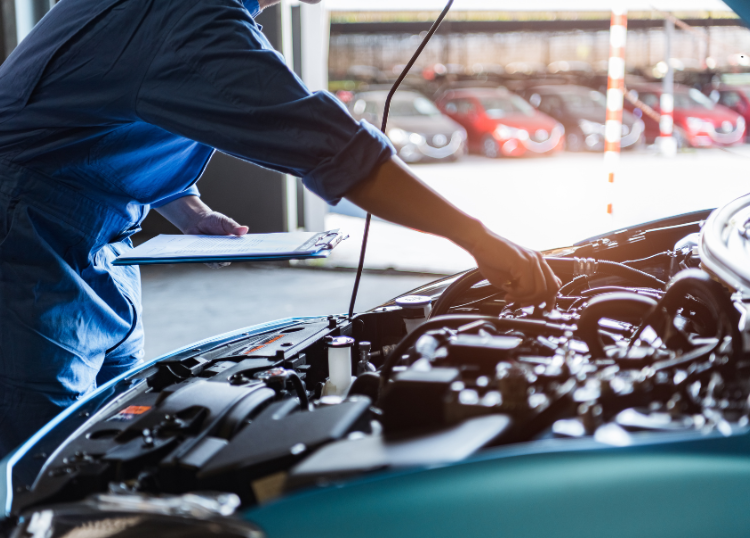
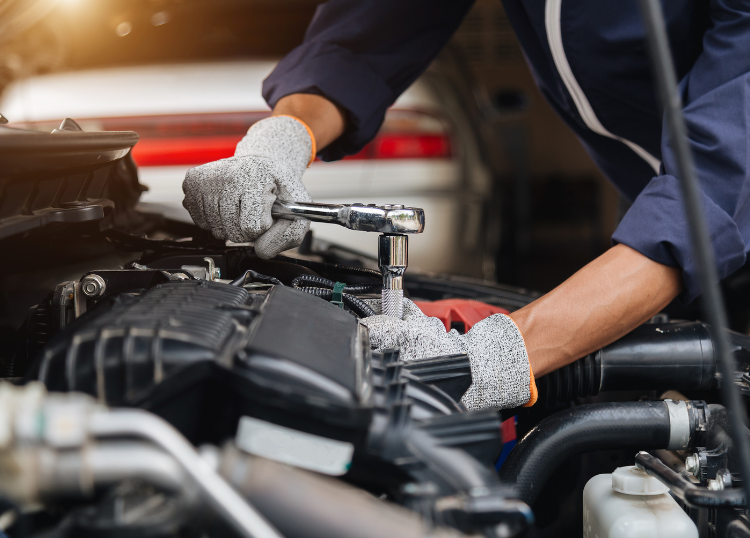
A professional vehicle service typically includes:
- Engine oil and oil filter replacement.
- Air filter inspection or replacement.
- Brake inspection.
- Tyre pressure and tread depth checks.
- Battery testing.
- Coolant, brake fluid and transmission fluid inspection.
- Suspension and steering checks.
- Diagnostic computer scan on newer vehicles.
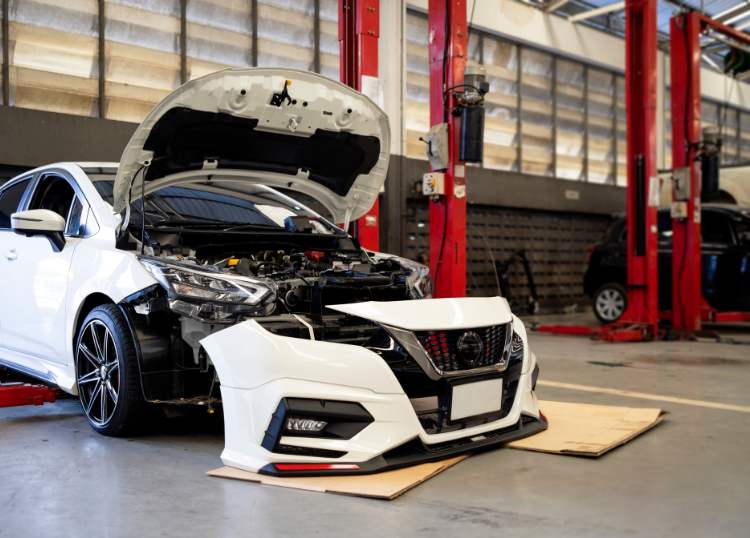
Minor services are generally completed quickly, while major services replace additional components such as spark plugs, fuel filters, drive belts, and other wear items.
Warning Signs Your Car Needs Immediate Attention
Even if your next scheduled service is months away, your vehicle should be inspected if you notice:
- Dashboard warning lights.
- Unusual engine noises.
- Reduced fuel economy.
- Difficulty starting.
- Brake vibration or squealing.
- Fluid leaks beneath the vehicle.
- Excessive exhaust smoke.
Ignoring these symptoms often turns a relatively inexpensive repair into a costly mechanical failure.
Tyres and Cleanliness Are Part of Vehicle Maintenance
Routine servicing extends beyond the engine. Tyres should be inspected monthly for uneven wear, correct pressure, and damage. Proper tyre maintenance improves fuel efficiency, handling, and braking performance.
Before embarking on a road trip, it's also worth reading our guide on Tyre Check Before Festive Trips: Expert Fitment Advice to ensure your vehicle is ready for longer journeys.
Keeping your vehicle clean also helps preserve its value. Dirt, road salt, bird droppings, and tree sap can gradually damage paintwork if left untreated. Learn why professional cleaning matters by reading Why Professional Car Wash and Valet Services Matter More Than Ever.
If you're unsure which cleaning package suits your vehicle, our article on The Difference Between a Standard Wash, Valet, and Full Detail explains the differences between each service.
Why Regular Servicing Saves Money
Many motorists delay servicing to reduce short-term expenses. Unfortunately, neglected maintenance often leads to larger repair bills. Dirty engine oil increases wear, worn brake pads damage brake discs, and neglected cooling systems can result in engine overheating.
Routine servicing helps:
- Reduce fuel consumption.
- Improve vehicle reliability.
- Maintain manufacturer warranties.
- Increase resale value.
- Reduce the risk of roadside breakdowns.
- Identify minor faults before they become major repairs.
Choosing a Reliable Service Centre
Not all workshops offer the same level of expertise. Look for qualified technicians, transparent pricing, quality replacement parts, and positive customer reviews. Choosing a reputable automotive service provider ensures your vehicle receives the correct maintenance according to manufacturer specifications.
Service Directory makes it easy to find trusted automotive businesses throughout South Africa, helping motorists compare professional service providers before making a booking.
Final Thoughts
There is no single answer to how often every vehicle should be serviced. Your driving habits, vehicle age, manufacturer recommendations, and local road conditions all play an important role. As a general guideline, servicing your vehicle every 10,000 to 15,000 kilometres or at least once a year provides excellent protection against unnecessary wear.
Regular maintenance is one of the simplest ways to improve safety, lower long-term ownership costs, and enjoy reliable motoring. By staying on schedule and working with trusted service professionals, South African motorists can keep their vehicles performing at their best for many years.