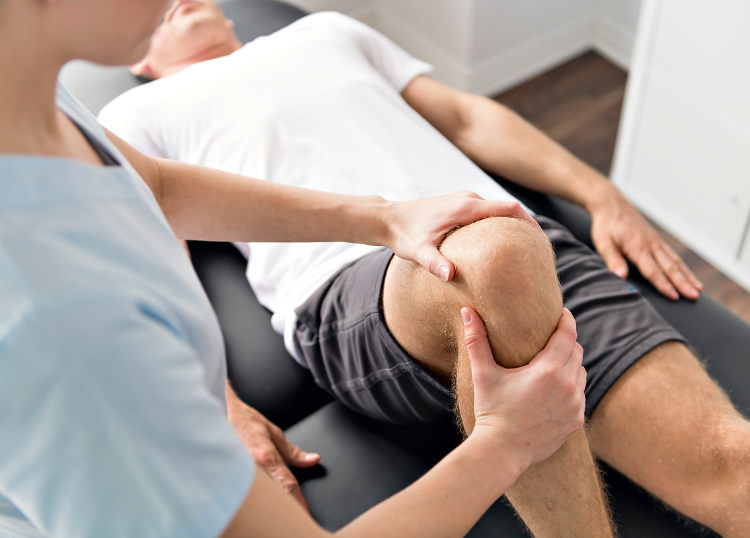
An injury can disrupt every aspect of daily life, from walking and working to participating in sport or enjoying hobbies. Whether the injury results from a fall, a sporting accident, a workplace incident, or surgery, proper rehabilitation plays a vital role in achieving a full recovery. While rest is often important in the early stages of healing, physiotherapy provides the structured care needed to regain strength, mobility, and confidence.
Physiotherapy focuses on treating the underlying cause of pain and movement limitations rather than simply managing symptoms. With an individualised treatment plan, patients can recover more effectively and reduce the risk of future injuries.
Understanding the Recovery Process
Every injury heals differently depending on its severity, location, and the individual's overall health. Muscles, ligaments, tendons, bones, and joints all require different rehabilitation approaches. A physiotherapist assesses the injury, monitors healing, and develops a treatment programme that progresses safely through each stage of recovery.
This personalised approach helps avoid doing too much too soon while preventing unnecessary delays in returning to normal activities.
Reducing Pain and Inflammation
Pain and swelling are common after an injury. Physiotherapists use a range of evidence-based techniques to help reduce discomfort and support the body's natural healing process.
Treatment may include:
- Manual therapy
- Soft tissue mobilisation
- Joint mobilisation
- Therapeutic exercises
- Stretching programmes
- Heat or cold therapy
- Taping techniques
- Education on movement and posture
Managing pain effectively allows patients to begin rehabilitation sooner and with greater confidence.
Restoring Movement
Many injuries lead to stiffness and reduced flexibility. Without proper rehabilitation, joints and muscles may lose their normal range of motion, making everyday activities more difficult.
Physiotherapists prescribe targeted mobility exercises designed to restore movement gradually while protecting healing tissues. Improved flexibility also helps reduce compensation patterns that can place unnecessary strain on other parts of the body.
Rebuilding Strength
After even a short period of inactivity, muscles begin to weaken. Strength training forms an important part of physiotherapy because strong muscles support joints, improve balance, and reduce the likelihood of re-injury.
Rehabilitation exercises are introduced progressively, ensuring the injured area develops strength safely without excessive stress.
Improving Balance and Coordination
Some injuries affect balance, coordination, and body awareness. This is particularly common after ankle injuries, knee injuries, and certain neurological conditions.
Balance training helps retrain the body's ability to respond to movement and uneven surfaces, reducing the risk of future falls or recurring injuries.
Returning to Sport or Daily Activities
Recovering from an injury involves more than eliminating pain. Patients also need to regain the strength, endurance, and confidence required for work, exercise, and daily life.
Physiotherapists design rehabilitation programmes that reflect each person's goals. An office worker may focus on posture and sitting comfortably, while an athlete may require sport-specific drills before returning to competition.
A gradual return to activity reduces the risk of setbacks and helps patients recover safely.
Preventing Future Injuries
One of the greatest benefits of physiotherapy is injury prevention. During rehabilitation, physiotherapists identify movement patterns, muscle weaknesses, flexibility limitations, and biomechanical issues that may have contributed to the original injury.
Patients also receive practical advice on:
- Safe lifting techniques
- Correct exercise form
- Warm-up and cool-down routines
- Posture improvement
- Workplace ergonomics
- Home exercise programmes
These strategies help reduce the likelihood of future injuries while supporting long-term physical health.
The Importance of Early Treatment
Seeking physiotherapy soon after an injury often leads to better outcomes. Early intervention helps manage pain, maintain mobility, and prevent secondary problems such as muscle weakness, joint stiffness, or poor movement patterns.
Even injuries that appear minor can benefit from professional assessment to ensure they heal properly and do not become chronic conditions.
Final Thoughts
Recovering from an injury requires more than simply waiting for pain to disappear. Physiotherapy provides a structured, evidence-based approach that supports healing, restores movement, rebuilds strength, and helps people return to their normal activities with confidence. Whether recovering from a sports injury, surgery, or an everyday accident, working with a qualified physiotherapist can make recovery safer, more effective, and more complete while reducing the risk of future injuries.