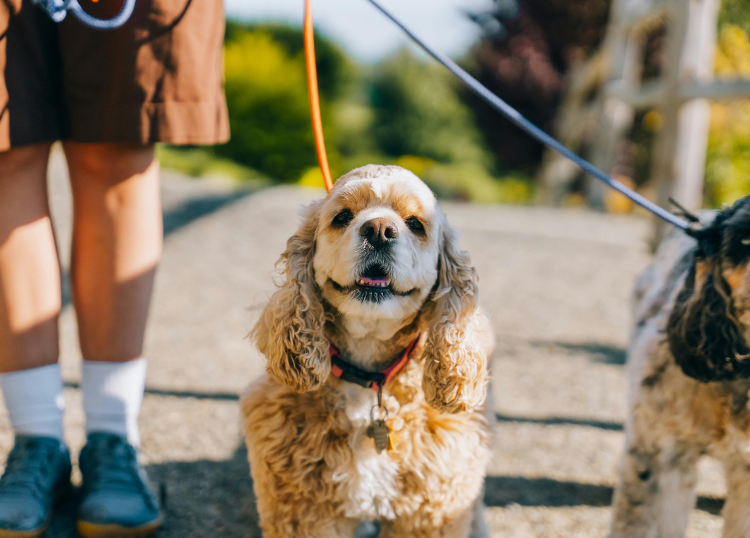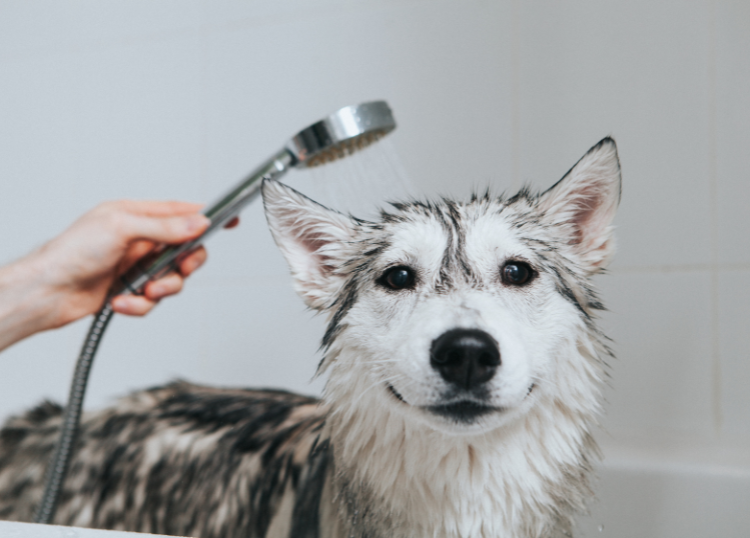
As temperatures rise, many pet owners start thinking about shorter coats, more frequent baths and ways to keep their animals comfortable.
Spring and summer can certainly change grooming routines. Dogs may shed more noticeably, spend longer outdoors and pick up more dust, grass and dirt. Some pets may also need closer attention to nails, ears and coat condition as their activity changes.
The answer is not simply to remove as much fur as possible.
Different breeds and coat types have different requirements, and an unsuitable cut can create problems rather than solve them. A good groomer should understand those differences and recommend care based on the individual animal.
Choosing the right person is therefore as important as deciding when to book the appointment.
Start With Your Pet's Actual Grooming Needs
Before comparing groomers, consider what your pet needs.
A long-haired dog requiring regular trimming has different requirements from a short-haired dog that mainly needs bathing, brushing and nail care.
Double-coated breeds may need thorough brushing and removal of loose undercoat rather than an extremely short clip.
Age matters too.
Puppies may need gentle introductory sessions, while older pets can require extra time, careful handling or accommodation for limited mobility.
Giving a groomer accurate information from the beginning makes it easier to determine whether their service is suitable.
Ask About Experience With Your Pet's Coat Type
Not all coats should be treated in the same way.
Some require clipping, others need careful brushing, and certain breeds have specific grooming patterns.
Ask whether the groomer regularly works with animals similar to yours.
A competent groomer should be able to explain what they recommend and why.
Be cautious if the same grooming approach appears to be suggested for every dog regardless of breed, coat condition or lifestyle.
Seasonal grooming should respond to the animal rather than follow a standard summer haircut.
Do Not Assume Shaving Is the Best Way to Keep a Dog Cool
It can seem logical that less fur means a cooler dog.
The reality is more complicated.
A dog's coat has functions beyond appearance, and very close clipping may not be appropriate for certain coat types. Double coats, in particular, should not automatically be shaved simply because summer is approaching.
Ask the groomer what length they recommend before agreeing to a major cut.
If there is uncertainty about what is suitable for your pet's skin or coat, veterinary guidance is preferable to making an aggressive change based purely on temperature.
Look at Cleanliness and General Organisation
The condition of the grooming facility can tell you a great deal.
A grooming environment will naturally contain hair and water during a busy day, but equipment, tables, bathing areas and holding spaces should still appear appropriately maintained.
Pay attention to general organisation.
Are pets handled calmly? Are clean and used items managed sensibly? Does the facility appear secure enough to prevent animals from escaping?
A tidy, controlled environment can be especially reassuring when you are leaving a pet there for several hours.
Ask How Pets Are Supervised
Find out what happens between different stages of the appointment.
Pets may need to wait before bathing, drying or collection. Ask where they are kept and how they are supervised during those periods.
This is particularly relevant if several animals are on the premises at once.
Not every dog is comfortable around unfamiliar animals, and some may need individual space.
Tell the groomer if your pet is anxious, reactive or uncomfortable with other dogs so appropriate arrangements can be discussed before the appointment.
Pay Attention to Handling
Technical grooming ability matters, but so does the way animals are treated.
A good groomer should be comfortable handling different temperaments without unnecessary force.
Some pets are nervous around dryers, clippers, water or unfamiliar people. Others dislike having their feet or ears touched.
Ask how the groomer responds when an animal becomes stressed.
There may be occasions when completing every requested service is not sensible if the pet is becoming increasingly distressed.
A groomer who is prepared to stop and discuss alternatives can be preferable to one determined to finish at any cost.
Tell the Groomer About Medical or Behavioural Concerns
Relevant information should be shared before the appointment.
This could include skin sensitivity, allergies, previous injuries, arthritis, hearing or vision problems, or a history of anxiety during grooming.
Behavioural information is equally important.
If your dog has previously snapped when its paws were handled, the groomer needs to know.
Withholding difficult information does not make the appointment easier. It can put both the animal and the groomer in an unsafe situation.
For medical conditions or significant skin problems, discuss grooming requirements with your veterinarian.
Discuss What the Appointment Includes
"Grooming" can mean different things at different businesses.
A standard appointment may include bathing, drying, brushing, clipping and nail trimming, while other services may cost extra.
Ask exactly what is included before comparing prices.
You may also want to establish whether ear cleaning, de-shedding, coat conditioning or specialised shampoos are part of the service.
This makes quotations easier to compare and reduces the chance of unexpected charges at collection.
Ask About Products Used on the Coat and Skin
Spring and summer can bring greater awareness of itching and skin irritation, particularly for pets that spend more time outdoors.
Ask what shampoos and other products the groomer uses.
If your pet has sensitive skin or has been prescribed a particular product, mention this when making the booking.
Do not assume a grooming product will treat an underlying skin condition.
Persistent itching, hair loss, sores, unusual odours or inflamed skin warrant veterinary attention rather than repeated cosmetic treatment.
Check How Drying Is Managed
Drying is an important part of professional grooming.
Different coat types may require different techniques, and some animals are frightened by powerful dryers.
Ask how the groomer handles pets that become anxious during drying.
Temperature also matters during warmer weather.
The grooming environment should be managed so that animals are not left becoming excessively hot while waiting or being dried.
This is particularly important for pets that may already be less tolerant of heat.
Consider the Needs of Older Pets
Senior animals may find grooming more tiring than they once did.
Standing for long periods can be difficult for dogs with joint or mobility problems, and some older animals become more anxious in unfamiliar environments.
Tell the groomer about these limitations before booking.
Shorter sessions, additional breaks or different handling may be appropriate.
A groomer who asks about age and health before beginning is gathering information that can help them plan the appointment more appropriately.
Spring Shedding May Need More Brushing, Not More Clipping
Seasonal shedding can leave owners dealing with large amounts of loose hair around the house.
Professional de-shedding and thorough brushing may help manage loose coat, depending on the breed.
Regular brushing at home remains useful between appointments.
Ask the groomer what type of brush or comb is suitable for your pet rather than buying tools based only on appearance.
Using an unsuitable tool too aggressively can irritate the skin or damage the coat.
Nails May Need Attention as Activity Changes
Nail care is easy to overlook when concentrating on the coat.
Dogs that regularly walk on harder surfaces may naturally wear their nails to some degree, while less active animals may need more frequent trimming.
Overgrown nails can affect comfort and movement.
A groomer can often include nail trimming as part of a regular appointment, although pets with particular medical or behavioural issues may need a different approach.
Ask how often your individual pet's nails should be checked rather than relying on a fixed seasonal schedule.
Think About Appointment Timing in Hot Weather
The timing of the grooming appointment can matter during very warm periods.
Pets may need to travel in hot vehicles, wait at the grooming facility and travel home again.
Earlier appointments can sometimes make these journeys more comfortable.
Never leave an animal unattended in a parked vehicle while waiting for an appointment or collection.
If your pet is particularly vulnerable to heat, discuss the booking time and facility conditions with the groomer beforehand.
Reliable Communication Matters
A groomer should be willing to discuss what you want before starting.
Bring photographs if you are trying to describe a particular trim, but be prepared for the groomer to explain whether it is appropriate for your pet's current coat.
Also establish what happens if they find something unexpected.
Matted fur, irritated skin, lumps or parasites may require a change in approach.
You should know whether the groomer will contact you before making a significant change to the agreed service.
Be Clear About Matting
Mats are not simply a cosmetic issue.
Severe matting can pull on the skin and make grooming more difficult and uncomfortable.
If your pet's coat is badly tangled, tell the groomer before the appointment.
Trying to preserve a long coat may not always be practical.
The groomer should be able to explain the available options and what can be done safely.
Regular home brushing and appropriately timed professional grooming can help prevent the same problem recurring.
Reviews Are Useful, but Ask the Right Questions
Online reviews can help identify groomers worth considering, but a high rating should not be the only factor.
Look at what customers actually say.
Comments about patient handling, communication, cleanliness and how the groomer responds to nervous pets can be more useful than repeated statements that a dog "looked cute".
Recommendations from other owners of the same breed can also be helpful.
The best groomer for one animal is not necessarily the best choice for another.
A First Appointment Can Be a Trial
You do not need to commit immediately to a long-term grooming schedule.
Treat the first appointment as an opportunity to assess the fit.
How does your pet behave when arriving and leaving? Was the agreed service completed? Did the groomer communicate any concerns? Were collection times handled reasonably?
Some nervousness may be normal, particularly for pets unfamiliar with grooming.
What matters is whether the overall experience gives you confidence in how your pet was handled and cared for.
Build a Routine Before Summer Gets Busy
Waiting until a pet's coat becomes difficult to manage can make grooming more stressful.
Regular appointments may make sense for animals with coats that require ongoing professional care.
Spring is also a useful time to review the routine before hotter weather arrives.
Popular groomers can become busy, so booking ahead may provide better choice of appointment times.
Ask the groomer how frequently your pet should return based on its breed, coat, lifestyle and the amount of maintenance you can reasonably manage at home.
Know When the Groomer Is Not the Right Professional
Groomers can identify changes they notice while bathing, brushing or clipping a pet, but they are not a replacement for veterinary care.
Skin infections, persistent itching, wounds, unusual lumps, ear problems and signs of illness should be assessed by a veterinarian.
The same applies if your pet appears unusually weak, distressed or intolerant of heat.
A responsible groomer should recognise the limits of grooming and recommend veterinary attention when a problem falls outside their role.
Final Thoughts
Choosing a pet groomer for spring and summer is not simply about finding someone who can produce a neat haircut.
Look for a groomer who understands your pet's coat, asks about health and behaviour, handles animals carefully and communicates clearly about what they recommend.
Warmer weather may mean more shedding, outdoor dirt and attention to coat maintenance, but seasonal care should still be based on the individual animal.
Ask questions before booking, explain any health or behavioural concerns and make sure you understand what the appointment includes.
The right grooming routine should leave your pet clean and comfortable without treating every coat, breed or season in exactly the same way.