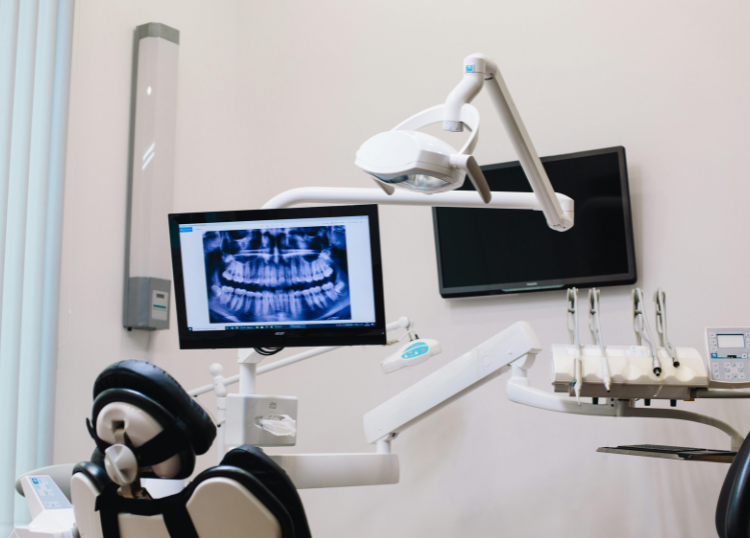
Being referred to a medical specialist can raise several questions.
You may be unsure what the consultation will involve, whether additional tests will be needed or what information the doctor will expect you to provide.
For some people, the appointment follows an ongoing health concern that has not yet been fully explained.
Others are referred after a routine examination, an unusual test result or a recommendation from their general practitioner.
Whatever the reason, preparation can make the consultation more productive.
A specialist needs an accurate picture of your symptoms, medical history, current treatment and previous investigations.
You also need an opportunity to understand the findings, ask questions and discuss the next steps.
Taking care of a few practical details before the appointment can help both sides make better use of the available time.
Understand Why You Have Been Referred
Before the consultation, make sure you understand the general reason for the referral.
Your general practitioner may have identified symptoms requiring further assessment, recommended a particular investigation or requested an opinion about an existing diagnosis.
Ask what the specialist is expected to assess.
For example, a referral to a cardiologist may involve investigating particular symptoms or reviewing a known heart condition.
An orthopaedic specialist may assess an injury, persistent pain or a problem affecting movement.
You do not need to understand the medical details before attending.
However, knowing the purpose of the appointment can help you prepare relevant information and questions.
Confirm the Appointment Details
Specialist practices may have different booking procedures and requirements.
Before travelling, confirm the appointment date, time and location.
Ask whether you need to arrive early to complete administrative forms.
Some practices request referral letters, identification documents or previous medical records before the consultation.
Others may ask patients to complete a health questionnaire online.
If the specialist works from more than one practice or hospital, confirm the correct address.
Also ask whether any particular preparation is required.
A standard consultation may need no special preparation, while an appointment involving a specific test or procedure could have additional instructions.
Check Whether a Referral Letter Is Required
A referral letter provides useful background information about the reason for the specialist consultation.
It may include symptoms, examination findings, previous treatment and the referring doctor's concerns.
Some specialists accept patients without a formal referral, while others require one.
Medical schemes may also have referral or authorisation requirements depending on the benefit option and type of care.
Confirm the arrangements before attending.
If you have been referred, bring the letter or ensure that the specialist's practice has received it.
Do not assume that the document has been transferred automatically between healthcare providers.
Gather Relevant Medical Records
Previous medical records can help the specialist understand what has already been investigated.
These may include blood test results, imaging reports, hospital discharge summaries and notes from earlier consultations.
The information needed will depend on the reason for your appointment.
For example, someone attending an orthopaedic consultation may need previous X-rays or MRI reports.
A patient seeing an endocrinologist may be asked to provide relevant blood test results.
Ask the practice which records would be useful.
If imaging was performed, confirm whether the specialist needs the actual images as well as the written report.
Having the correct information available may prevent unnecessary delays or repeated investigations.
Prepare a Clear Summary of Your Symptoms
A specialist will often ask detailed questions about your symptoms.
Preparing a short summary beforehand can make it easier to provide accurate information.
Consider when the symptoms began, how often they occur and whether they have changed over time.
Note anything that appears to make them better or worse.
It may also help to record how the symptoms affect everyday activities, sleep, work or physical movement.
Be as specific as possible.
For example, saying that discomfort occurs after walking a certain distance may be more informative than simply describing it as frequent pain.
You do not need to interpret the symptoms or suggest a diagnosis.
The aim is to provide a clear account of what you have experienced.
Make a Complete Medication List
Medication information is an important part of many specialist assessments.
Prepare a list of everything you currently take.
Include prescription medicines, over-the-counter products, vitamins, herbal remedies and other supplements.
Where possible, record the name, dose and frequency of each product.
Also mention medication you have recently stopped, particularly if it relates to the concern being investigated.
Some medicines can affect symptoms, test results or treatment decisions.
Do not stop taking prescribed medication before the appointment unless a qualified healthcare professional has instructed you to do so.
If you are unsure about a medication's name, bringing the packaging or a photograph of the label may help.
Record Allergies and Previous Reactions
Specialists need to know about relevant allergies and previous adverse reactions.
These may involve medicines, contrast agents, latex or other substances used in healthcare settings.
Try to describe what happened during the reaction.
For example, a rash, breathing difficulty or severe swelling provides more useful information than simply stating that a medicine did not agree with you.
Also mention significant side effects from previous treatment.
Not every unpleasant reaction is an allergy, but the specialist can help distinguish between different types of reactions.
Accurate information is particularly important if further tests, medication or procedures are being considered.
Review Your Personal and Family Medical History
A specialist may ask about previous illnesses, operations and hospital admissions.
Certain family medical conditions may also be relevant.
The information required varies according to the speciality.
For example, a cardiologist may ask about a family history of heart disease.
Other specialists may need information about inherited conditions or illnesses affecting close relatives.
You do not need to prepare a complete family medical record.
Focus on significant conditions that you know about and provide details as accurately as possible.
If you are uncertain, say so rather than guessing.
Write Down Your Most Important Questions
Medical consultations can involve unfamiliar terminology and a considerable amount of information.
It is easy to forget questions once the discussion begins.
Writing them down beforehand can help.
Useful questions may include:
- What are the possible explanations for my symptoms?
- Do I need further tests, and what will they help determine?
- What treatment options are available?
- What are the potential benefits and risks of the recommended treatment?
- Are there symptoms that should prompt me to seek urgent medical attention?
- When should I return for a follow-up appointment?
You may have other questions specific to your circumstances.
Prioritise the issues that matter most to you, particularly if the consultation time is limited.
Understand What Happens During the Consultation
The structure of a specialist appointment depends on the medical concern and the type of specialist.
Many consultations begin with a discussion of symptoms and medical history.
The doctor may then perform a physical examination or review previous investigations.
In some cases, a diagnosis or treatment plan can be discussed during the first visit.
In others, additional information is needed before conclusions can be reached.
The specialist may recommend blood tests, imaging, further examinations or referral to another healthcare professional.
Not every consultation results in immediate treatment.
Sometimes the most useful outcome is a clearer understanding of what needs to be investigated next.
Ask About Recommended Tests and Procedures
If the specialist recommends further investigations, make sure you understand their purpose.
Ask what the test is intended to assess and how the results may influence treatment decisions.
Find out whether any preparation is necessary.
Certain investigations require fasting, changes to normal routines or other specific instructions.
Do not make changes to medication or eating habits unless instructed by the relevant healthcare professional.
It is also reasonable to ask about potential risks, alternatives and expected waiting times.
If a procedure is recommended, the specialist should explain what it involves and provide an opportunity for informed discussion before you agree to it.
Check Medical Aid Benefits and Payment Arrangements
Specialist consultations can involve costs beyond the initial appointment fee.
Additional tests, procedures and follow-up consultations may be billed separately.
If you belong to a South African medical scheme, check whether your option covers the relevant specialist.
Ask whether a referral, network provider or prior authorisation is required.
Also confirm whether the specialist charges medical scheme rates or whether you may need to pay a shortfall.
Coverage can vary significantly between benefit options.
Certain conditions may qualify for prescribed minimum benefits under specific rules, but the medical scheme should confirm the applicable requirements.
If you are paying privately, request information about consultation fees and likely additional charges.
Understanding the financial arrangements beforehand can help prevent unexpected expenses.
Consider Bringing Someone With You
Some consultations involve complex information or decisions.
Having a trusted family member or friend present may help you remember details and discuss the information afterwards.
This can be particularly useful when you are anxious, unwell or expecting to discuss several treatment options.
However, the choice should remain yours.
You can ask the specialist whether another person may attend the consultation.
You should also feel comfortable requesting private time with the doctor if there are matters you prefer to discuss confidentially.
For children or patients who require assistance, appropriate caregiver involvement may be necessary.
Be Open About Your Concerns and Preferences
A specialist can provide better guidance when they understand your circumstances.
If you are worried about a particular diagnosis, say so.
If a proposed treatment could affect your work, family responsibilities or daily activities, explain those concerns.
Practical factors can influence which treatment options are suitable.
For example, a treatment requiring frequent appointments may be difficult for someone who lives far from the practice.
Some patients may have concerns about medication side effects, recovery periods or the financial implications of treatment.
These are appropriate subjects for discussion.
A useful consultation should allow room for both medical considerations and the patient's individual circumstances.
Make Sure You Understand the Diagnosis or Findings
Medical terminology can be difficult to follow.
If the specialist uses an unfamiliar term, ask for an explanation in ordinary language.
You should understand whether the doctor has reached a diagnosis, identified a possible condition or recommended further investigation.
These are different situations.
A suspected diagnosis may require confirmation before treatment decisions can be made.
It can help to repeat your understanding of the explanation and ask whether you have interpreted it correctly.
Do not feel pressured to pretend that everything is clear.
Understanding the findings is an important part of participating in your own healthcare.
Clarify the Treatment Plan Before Leaving
If treatment is recommended, ask what it involves and what you should expect.
For medication, confirm the prescribed dose, timing, duration and important precautions.
Ask about potential side effects and what to do if problems occur.
For procedures or surgery, discuss the expected preparation, recovery period, risks and alternatives.
Also clarify whether any existing medication needs to change.
Do not adjust or discontinue treatment independently.
If the plan involves several steps, request written instructions where available.
A clear treatment plan can help you follow recommendations safely after leaving the practice.
Know When and How Results Will Be Communicated
Some investigations produce results quickly, while others take longer.
Before leaving, ask how and when you should expect to receive results.
Find out whether the practice will contact you or whether you need to arrange a follow-up appointment.
Do not assume that no news means the results are normal.
Confirm who is responsible for reviewing the findings and explaining their significance.
If you have not received results within the expected period, contact the practice.
This is particularly important when test results may influence treatment decisions.
Understand the Follow-Up Arrangements
A specialist consultation may be one part of a longer care process.
You may need further tests, treatment adjustments or another appointment.
Before leaving, clarify what happens next.
Ask whether you should continue seeing your general practitioner and whether the specialist will send a report to the referring doctor.
Coordinated communication between healthcare providers can help maintain continuity of care.
If you have several medical conditions or receive treatment from different specialists, make sure each relevant provider knows about important changes.
Keep copies of significant reports and updated medication information for future appointments.
Recognise When Not to Wait for a Scheduled Appointment
A planned specialist consultation is not a substitute for emergency medical care.
Certain symptoms require urgent assessment rather than waiting for a routine booking.
These may include sudden severe chest pain, significant breathing difficulty, signs of a stroke, uncontrolled bleeding or a sudden loss of consciousness.
Other rapidly worsening or severe symptoms may also require immediate attention.
In South Africa, emergency assistance can be requested through 112 from a mobile phone or through local emergency services.
If you are unsure whether symptoms are urgent, seek prompt advice from an appropriate healthcare professional.
Do not delay emergency care because a specialist appointment has already been arranged.
Final Thoughts
Preparing for a specialist consultation can help make the appointment more useful and less stressful.
Understanding the reason for your referral, gathering relevant medical records and preparing a medication list gives the specialist important background information.
Writing down symptoms and questions can also help you communicate clearly.
Practical arrangements matter too.
Confirm the appointment details, referral requirements, medical scheme benefits and possible costs before attending.
During the consultation, ask for explanations when medical information is unclear.
Make sure you understand any recommended tests, treatment options and follow-up arrangements.
You do not need to arrive with all the answers.
The purpose of the consultation is to work with a qualified specialist to assess your concerns, understand the available options and agree on appropriate next steps.