A dripping tap or leaking pipe beneath a sink is usually easy to notice. Hidden water leaks are more difficult. They can develop behind walls, underneath floors, above ceilings, or within underground plumbing, allowing water to escape without an obvious source.
Finding these leaks early can limit water waste and reduce the risk of damage to walls, flooring, cabinetry, and other parts of your property.
Fortunately, there are several warning signs that homeowners can watch for.
Your Water Bill Suddenly Increases
An unexplained increase in water consumption can be one of the first signs of a hidden leak.
Compare your recent water bills with previous months, taking seasonal changes and household usage into account.
If consumption increases considerably without a clear reason, water may be escaping somewhere in the plumbing system.
Check Your Water Meter
Your water meter can help indicate whether water is being used when it shouldn't be.
To perform a basic check:
- Turn off taps and water-using appliances.
- Make sure toilets aren't being flushed.
- Note the meter reading.
- Avoid using water for a period.
- Check the meter again.
If the reading changes while no water is intentionally being used, there could be a leak. A plumber can investigate further to determine where the water is escaping.
Look for Damp Patches
Water leaking behind a wall or beneath a floor can eventually become visible.
Watch for:
- Damp patches on walls
- Discoloured ceilings
- Peeling paint
- Bubbling plaster
- Warped flooring
- Swollen skirting boards
Don't simply paint over unexplained water marks. Finding the source should come first.
Pay Attention to Musty Smells
Persistent dampness can produce a distinctive musty smell, particularly in areas with limited ventilation.
If a room smells damp despite appearing dry, inspect areas such as:
- Cupboards
- Bathrooms
- Kitchens
- Areas behind furniture
- Rooms adjoining plumbing fixtures
A persistent odour may indicate moisture somewhere that isn't immediately visible.
Watch for Mould or Mildew
Mould often develops where moisture remains present.
Bathrooms naturally experience higher humidity, but mould appearing unexpectedly on walls, ceilings, cupboards, or other surfaces may indicate an underlying moisture problem.
Cleaning the visible mould without addressing the source of the moisture may only provide a temporary solution.
Listen for Running or Dripping Water
Sometimes a hidden leak can be heard before it can be seen.
When the house is quiet and water fixtures are turned off, listen for:
- Dripping
- Hissing
- Running water
- Unusual plumbing sounds
Sounds coming from walls, floors, or ceilings should be investigated, particularly if they continue when nobody is using water.
Check Toilets for Leaks
A leaking toilet can waste water without leaving a puddle on the bathroom floor.
Water may continuously escape from the cistern into the toilet bowl because of worn or faulty internal components.
Signs can include:
- The cistern regularly refilling
- Water moving in the bowl when the toilet hasn't been flushed
- Unexplained running-water sounds
Because these leaks can be quiet, they may continue unnoticed for long periods.
Look Outside the House
Not every hidden leak occurs indoors.
Underground pipes supplying your home or garden can also develop leaks.
Possible warning signs include:
- Unusually wet areas in the garden
- Patches of particularly lush grass
- Soft or muddy ground
- Water pooling without recent rain
- Unexpectedly high water consumption
Underground leaks usually require professional equipment to locate accurately.
Changes in Water Pressure Can Be a Clue
A noticeable change in water pressure can sometimes indicate a plumbing problem.
However, low pressure has several possible causes, including municipal supply issues, blocked pipes, faulty valves, or plumbing fixtures.
If the pressure changes suddenly or persists without an obvious explanation, consider having the plumbing system inspected.
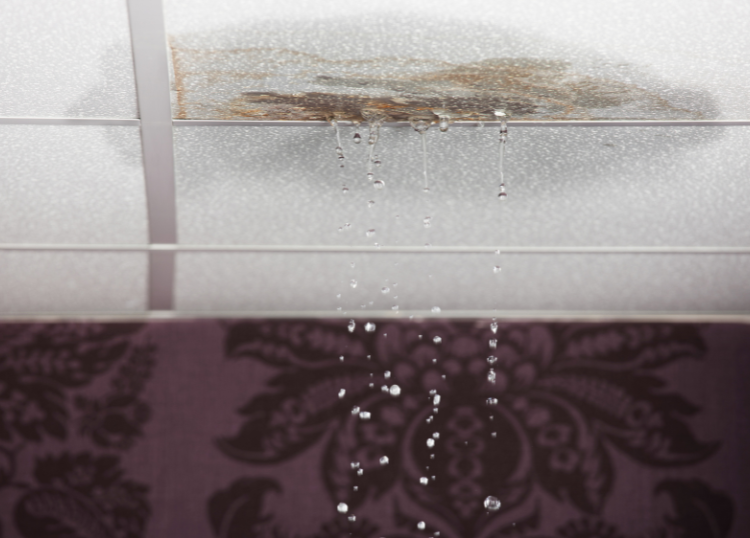
Don't Ignore Ceiling Stains
Brown, yellow, or dark marks on a ceiling may indicate water entering from plumbing above.
Possible sources include:
- Bathrooms on an upper floor
- Water pipes
- Geysers
- Roof leaks
Because not every ceiling stain is caused by plumbing, identifying the actual source is important before repairs begin.
Why Hidden Leaks Should Be Addressed Quickly
A small leak may appear insignificant, but ongoing moisture can cause increasingly serious problems.
Potential consequences include:
- Higher water bills
- Damaged plaster and paint
- Swollen cabinetry
- Damaged flooring
- Mould growth
- Structural deterioration
- Wasted water
The longer water continues escaping, the greater the potential repair cost.
When Should You Call a Plumber?
Professional assistance is advisable when you suspect a leak but cannot identify its source.
A plumber may use specialised leak-detection methods to investigate concealed plumbing without unnecessarily opening large sections of walls or flooring.
Consider professional help if:
- Your water meter indicates unexplained usage.
- Your water bill increases unexpectedly.
- Damp patches keep returning.
- You hear water behind walls.
- You suspect an underground leak.
- Visible water damage is getting worse.
Early investigation can prevent a relatively minor plumbing issue from becoming a much larger repair.
Final Thoughts
Hidden water leaks aren't always easy to identify, but your property often provides warning signs. Unexpected water consumption, damp patches, mould, musty smells, unusual plumbing sounds, and unexplained water damage can all indicate that something needs attention.
Regularly checking your water meter, monitoring bills, and paying attention to changes around your home can help you identify potential leaks sooner. When the source isn't obvious, a professional plumbing inspection can locate the problem and help prevent further water waste and property damage.