Few things are more frustrating than finding unwanted pests in your home or workplace. Whether it's ants in the kitchen, rodents in the roof, termites damaging timber, or cockroaches hiding in dark corners, acting quickly is important to prevent a small problem from becoming a larger one.
Many people begin with do-it-yourself treatments, while others prefer to call a professional immediately. Both approaches have their place, but knowing when each is appropriate can save time, money, and unnecessary frustration.
When DIY Pest Control Makes Sense
DIY pest control can be an effective option for small or isolated pest problems.
It is often suitable for:
- A few ants entering the home
- Occasional cockroach sightings
- Small numbers of flies
- Garden pests
- Preventative treatments
Many over-the-counter products provide a practical solution for minor infestations when used correctly.
Advantages of DIY Pest Control
Handling minor pest problems yourself offers several benefits.
These include:
- Lower upfront costs
- Immediate action
- Easy access to products
- Simple preventative maintenance
- Suitable for minor infestations
For homeowners who are comfortable following product instructions, DIY treatments can be a practical first step.
The Limitations of DIY Treatments
While DIY products can be useful, they often address only the visible signs of a pest problem.
Common limitations include:
- Hidden nests remain untreated
- Repeated treatments may be required
- Incorrect product selection
- Limited effectiveness against severe infestations
- Potential safety risks if products are misused
Without identifying the source of the infestation, pests often return after a short period.
When to Call a Professional
Some pest problems require specialist knowledge and equipment.
Professional pest control is recommended for:
- Termite activity
- Large rodent infestations
- Bed bugs
- Wasp nests
- Persistent cockroach infestations
- Recurring pest problems despite DIY treatment
Early professional intervention can prevent extensive property damage and reduce long-term treatment costs.
Benefits of Professional Pest Control
Professional pest control companies provide more than just pest removal.
Their services often include:
- Accurate pest identification
- Comprehensive inspections
- Targeted treatment plans
- Access to professional-grade products
- Long-term prevention strategies
- Follow-up visits where required
This approach focuses on eliminating both the pests and the conditions that allow them to thrive.
Safety Considerations
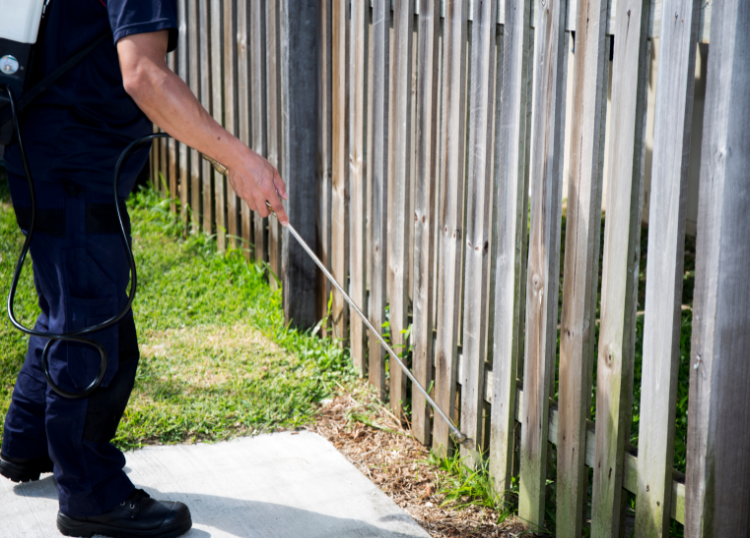
Many pest control products contain chemicals that require careful handling.
Professional technicians are trained to:
- Apply products safely
- Use appropriate protective equipment
- Reduce risks to people and pets
- Follow industry regulations
- Recommend any necessary precautions after treatment
For households with children or pets, professional advice can provide additional peace of mind.
Preventing Future Infestations
Whether you choose DIY or professional services, prevention remains one of the most effective forms of pest management.
Simple preventative measures include:
- Sealing cracks and entry points
- Storing food in sealed containers
- Fixing leaking pipes
- Keeping kitchens clean
- Removing standing water
- Maintaining gardens and outdoor areas
Regular maintenance reduces the likelihood of pests returning.
Consider the Long-Term Cost
DIY products may appear less expensive initially, but repeated unsuccessful treatments can become costly over time.
Professional pest control may offer better value by:
- Resolving the problem more quickly
- Preventing property damage
- Reducing repeat infestations
- Identifying hidden issues early
- Providing ongoing monitoring where necessary
Comparing long-term value rather than upfront cost often leads to a better decision.
Choosing the Right Pest Control Company
If you decide to hire a professional, look for a company with a strong reputation and relevant experience.
Consider:
- Industry qualifications
- Appropriate licensing
- Positive customer reviews
- Transparent pricing
- Clear treatment plans
- Guarantees or follow-up services where available
Taking time to choose a reputable provider can make a significant difference to the outcome.
Final Thoughts
DIY pest control can be an effective solution for minor issues and routine prevention, but larger or recurring infestations often require professional expertise. Understanding the extent of the problem and choosing the right approach helps protect your property, reduces health risks, and provides a more lasting solution. Whether you tackle the issue yourself or call in experienced professionals, early action is the key to keeping your home or business pest-free.