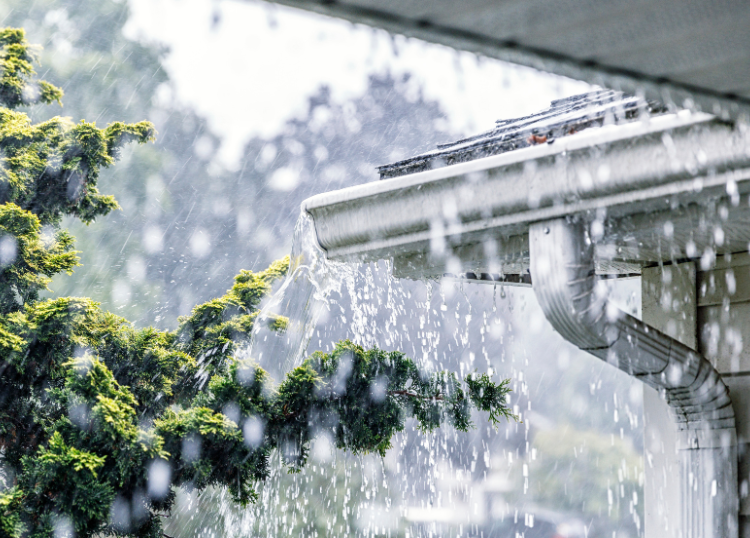
The first heavy summer storm often reveals problems that have been developing quietly for months.
A blocked gutter overflows. Water collects beside the house. A loose roof tile starts leaking. An outdoor drain cannot cope with sudden rainfall, or a branch that seemed harmless in calm weather becomes a problem in strong wind.
Many of these issues are easier to address before storm season arrives.
South Africa's summer weather varies considerably by region. Large parts of the country receive much of their rainfall during the warmer months, while rainfall patterns in the Western Cape differ. Thunderstorms, hail, strong winds and intense downpours can also be highly localised.
Preparing a home therefore starts with understanding the conditions that affect your area and dealing with obvious vulnerabilities before severe weather puts them to the test.
Start With the Roof
The roof is one of the home's main defences against stormwater.
Problems that appear minor during dry weather can become obvious once rain is driven against the building by wind.
Look for damaged, loose or missing roof coverings where they can be inspected safely. Pay attention to flashing, ridge areas and places where different roof sections meet.
Flat and low-pitched roofs require particular attention to drainage points and waterproofing.
If inspecting the roof requires climbing or working at height, use a suitably qualified professional rather than taking unnecessary risks.
Look for Existing Signs of Roof Leaks
You do not always need to see water dripping during a storm to know that the roof may have a problem.
Check ceilings and upper walls for discolouration, bubbling paint, peeling finishes or other signs of moisture.
A musty smell in a roof space can also deserve investigation.
Do not simply repaint a stain without identifying where the moisture came from.
Water can travel along roof structures before becoming visible indoors, which means the source may not be directly above the damaged ceiling.
Check Roof Flashing
Flashing helps prevent water entering at vulnerable roof junctions.
It may be installed around chimneys, walls, roof penetrations and changes in roof level.
Damaged or poorly sealed flashing can allow rain into the building even when the main roof covering remains in reasonable condition.
If there has been a recurring leak around one particular junction, ask a roofing professional to inspect the detail rather than repeatedly applying temporary sealants without understanding the cause.
Clean the Gutters
Gutters cannot move water effectively when they are packed with leaves, dirt and other debris.
During heavy rain, blocked gutters may overflow against walls or discharge water where it was never intended to go.
Clean them before the wetter part of the season and check them periodically where nearby trees create frequent debris.
Also look for loose sections, damaged joints and gutters that appear to sag.
Water should move towards the intended outlets rather than sitting in low points.
Check Downpipes
A clean gutter is only useful if the downpipe can carry the water away.
Check that downpipes are securely connected and appear free of obvious blockages.
Pay attention to where they discharge.
Water released directly beside the foundations can create another problem even if it leaves the roof successfully.
The drainage arrangement should move stormwater towards an appropriate discharge point for the property.
Clear Surface Drains
Outdoor drains can collect soil, leaves and litter during dry periods.
They may look unimportant until the first intense downpour.
Inspect grates, channels and other accessible drainage points around the property.
Remove visible debris and make sure water has a clear path.
If a drain repeatedly backs up despite being cleaned, there may be a blockage or capacity problem further along the system that requires professional attention.
Watch Where Water Goes During Rain
One of the best times to understand a property's drainage is during ordinary rainfall, provided it is safe to observe.
Look at where water collects.
Does it flow towards the house?
Are gutters overflowing?
Does a paved area form a large puddle?
Is water crossing a doorway or garage entrance?
These observations can reveal problems that are difficult to identify when everything is dry.
Record them for later rather than going outside during dangerous lightning, hail or severe conditions to investigate.
Keep Water Moving Away From the House
The ground immediately around a building should not encourage stormwater to collect against external walls.
Paving, garden beds and landscaping can change over time.
Settlement may create low areas, while later alterations can unintentionally direct water towards the house.
If significant pooling regularly occurs against the building, investigate the cause.
The solution may involve drainage work, adjustments to levels or changes to the surrounding hard landscaping.
Check Driveways and Paved Areas
Large paved surfaces can produce substantial runoff during heavy rain.
Check whether water moves towards a suitable drainage point or accumulates in unwanted areas.
Garage entrances deserve particular attention because they can sit below surrounding ground levels.
Channels and drains near these entrances need to remain clear.
If a driveway repeatedly sends stormwater into the garage, cleaning the drain may not be enough. The broader levels and drainage capacity may need assessment.
Pay Attention to Boundary Walls
Stormwater can create problems around boundary walls, especially where ground levels differ substantially between neighbouring properties.
Look for signs of movement, cracking or persistent water pressure.
Drainage openings should not be casually blocked.
If a retaining wall or substantial boundary structure appears unstable, obtain professional advice.
A storm is not the time to find out that a wall has been gradually weakening.
Check Retaining Walls
Retaining walls need to deal with both soil pressure and water.
Poor drainage behind the wall can increase pressure during prolonged or intense rainfall.
Warning signs may include new cracking, bulging, leaning or unexpected water discharge.
Do not ignore noticeable movement.
Depending on the size and construction of the wall, assessment by an appropriately qualified professional may be necessary.
Inspect Windows and External Doors
Wind-driven rain can find gaps that are not noticeable during calm weather.
Check external window and door frames for deteriorated seals, damaged finishes and obvious openings.
Look at thresholds where rainwater could be driven beneath doors.
If a particular window leaks during storms, identify whether the water is entering through the frame, surrounding wall or another part of the building envelope.
Replacing an internal seal will not solve a leak originating elsewhere.
Check Doors That Open Onto Patios
Sliding and folding doors create large connections between indoor and outdoor spaces.
They can also sit beside patios where stormwater accumulates.
Check drainage channels and thresholds.
Make sure leaves and debris have not blocked small drainage openings.
If the external paving slopes towards the door, heavy rain may expose a more fundamental drainage problem.
Look at Balconies and Terraces
Balconies need functioning outlets and waterproofing.
Clear leaves and other debris from accessible drainage points.
Do not allow planters, furniture or stored items to block water movement.
If there are signs of leaking into rooms below, investigate before the next period of heavy rainfall.
Repeatedly sealing the visible crack underneath a balcony may not address the actual waterproofing failure above it.
Secure Outdoor Furniture
Strong wind can turn lightweight outdoor furniture into a hazard.
Before severe weather arrives, move loose chairs, umbrellas, cushions and decorative items into a protected area or secure them appropriately.
Large umbrellas should be closed when not in use.
Do not assume that heavy-looking furniture cannot move in strong gusts.
Items that remain outdoors should not be positioned where they could damage windows, vehicles or neighbouring property if displaced.
Check Awnings and Shade Structures
Retractable awnings, shade sails and other lightweight structures can experience substantial wind loads.
Inspect fixings and look for obvious damage.
Follow the manufacturer's guidance regarding use during strong winds.
Retractable systems should generally not be left extended when severe weather is expected unless specifically designed for those conditions.
If a structure appears loose, have it repaired before relying on it through summer.
Inspect Pergolas and Carports
Permanent outdoor structures also deserve attention.
Look for corrosion, loose connections, damaged roof sheets or signs that a structure has moved.
Carports are particularly important because failure can damage both the building and vehicles beneath them.
If there are concerns about structural stability, use an appropriately qualified contractor or professional rather than attempting a temporary repair immediately before a storm.
Trim Problematic Tree Branches
Trees provide valuable shade, but damaged or poorly positioned branches can become dangerous during strong winds.
Look for dead branches, obvious cracks and limbs that hang over roofs, driveways or power lines.
Large tree work should be handled by experienced professionals.
Do not attempt to cut branches near electrical infrastructure yourself.
Healthy trees should not be stripped unnecessarily simply because storm season is approaching. The objective is to address identifiable risks.
Check Large Trees After Previous Storms
A tree that survived a previous storm may still have sustained damage.
Look for newly leaning trunks, exposed roots, split branches or other changes.
If a large tree appears unstable, obtain advice from someone qualified to assess it.
This is particularly important where failure could affect the house, a public road or neighbouring property.
Keep Garden Debris Under Control
Loose branches, garden waste and building materials can block drains or become airborne in strong wind.
Keep outdoor areas reasonably clear.
Pay particular attention to debris stored near drainage channels.
If renovations or landscaping work are underway, ask contractors to secure materials before leaving the site.
A stack of lightweight sheets or loose packaging can create problems very quickly when wind increases.
Check Fences and Gates
Loose fencing can deteriorate rapidly during a storm.
Check posts, panels and gates for obvious movement.
A gate that already struggles to close may become more difficult to secure in strong wind.
Repair loose sections before they fail completely.
Where electric fencing is installed, use an appropriate technician for electrical faults rather than attempting unsafe repairs.
Prepare for Hail
Hail can cause significant localised damage.
Vehicles, roof coverings, skylights and outdoor equipment may all be exposed.
If secure covered parking is available, use it when severe hail is forecast.
Do not put yourself at risk trying to move a vehicle once dangerous conditions have already started.
Preparation needs to happen before the storm reaches the area.
Check Skylights
Skylights combine roofing, glazing and waterproofing details in one vulnerable area.
Look for existing leaks, cracked glazing or deteriorated seals.
Water staining around a skylight should be investigated rather than assumed to be condensation.
If the unit has been damaged previously by hail or age, professional assessment may be worthwhile before storm season.
Consider the Garage
Garages often contain more than vehicles.
Tools, electrical equipment, appliances and stored household goods may sit directly on the floor.
If the garage has a history of water ingress, move vulnerable items onto suitable shelving before the next storm.
Check the bottom of the garage door and nearby drainage.
Knowing where water entered previously can help identify what needs attention.
Protect Items Stored in Low Areas
Storage rooms, basements and sunken spaces are more vulnerable if water enters the property.
Do not store important documents, electronics or irreplaceable belongings directly on floors in areas with a known history of dampness or flooding.
Suitable shelving or waterproof containers can provide additional protection.
This does not replace fixing the source of water ingress, but it can reduce the consequences of an unexpected event.
Check the Electrical System
Water and damaged electrical systems are a dangerous combination.
If the home has recurring electrical problems, exposed wiring, damaged outdoor fittings or circuits that trip repeatedly, arrange for a qualified electrician to investigate.
Outdoor sockets and electrical installations should be suitable for their location and properly maintained.
Do not attempt electrical repairs during wet conditions.
Know Where the Main Electrical Supply Is
Household members should know where the main electrical distribution board is located.
That does not mean every electrical problem should be handled personally.
If flooding or water ingress creates an electrical hazard, avoid contact with water or equipment that may be energised.
Contact an electrician or emergency service where necessary.
Safety takes priority over protecting appliances or household belongings.
Use Surge Protection Where Appropriate
Lightning and electrical disturbances can damage sensitive equipment.
Surge protection can form part of a broader electrical protection strategy.
The correct solution depends on the property and electrical installation.
For significant concerns, particularly in lightning-prone areas, speak to a qualified electrical professional about suitable protection rather than relying entirely on plug-in devices.
Unplug Non-Essential Electronics When Appropriate
If severe lightning is expected and it is safe to do so beforehand, disconnecting non-essential sensitive equipment may reduce exposure to certain electrical events.
Do not start unplugging devices while standing in water or during unsafe conditions.
Internet routers, computers, televisions and other electronics may be particularly inconvenient to replace after damage.
Any action should happen before conditions become dangerous.
Prepare for Power Interruptions
Summer storms can cause local power outages.
Keep torches accessible and make sure rechargeable lights or power banks are charged.
Avoid relying only on a mobile phone flashlight because the phone may be needed for communication.
If the home uses backup power equipment, make sure it is maintained and operated according to the manufacturer's instructions.
Generators require particular care because of exhaust fumes and electrical risks.
Never Operate a Generator in an Enclosed Space
Portable generators produce dangerous exhaust gases.
They should not be operated inside homes, garages or other enclosed spaces.
They also need to be protected appropriately from rain without creating an unsafe enclosure.
Electrical connection to the home must be handled correctly.
Improvised connections can create serious risks.
If a generator forms part of your storm preparation, understand the correct setup before an outage occurs.
Keep Emergency Lighting Accessible
A power failure at night becomes much easier to manage when everyone knows where the lights are.
Keep torches in predictable locations.
Check batteries periodically.
Recharge rechargeable units before severe weather where possible.
A small light near the electrical distribution board can also be useful if power fails after dark.
Charge Phones Before Severe Weather
A charged phone provides access to communication, weather information and emergency assistance.
When severe storms are forecast, charge devices in advance rather than waiting for the power to fail.
A charged power bank provides useful backup.
If mobile networks become congested or electricity remains off for an extended period, conserve battery power for essential communication.
Keep Emergency Numbers Available
Save relevant emergency, municipal, security, insurance and roadside-assistance contacts before they are needed.
Household members should know whom to contact if there is flooding, electrical danger, structural damage or another urgent problem.
Do not rely entirely on searching online during an outage.
A written copy of important numbers can provide a useful backup.
Check Your Insurance Details
Storm preparation is also a good opportunity to review household and building insurance.
Understand what is covered and what responsibilities the policy places on the homeowner.
Keep insurer contact details accessible.
If damage occurs, document it with photographs when it is safe to do so.
Do not make dangerous temporary repairs simply to prevent further damage.
Contact the insurer where necessary and follow the appropriate claims process.
Photograph the Property Before Storm Season
A basic photographic record can be useful for several reasons.
It can document the condition of the roof, exterior areas, outdoor structures and significant belongings before damage occurs.
Photographs may also help you notice gradual changes later.
Store copies somewhere that will remain accessible if a device is damaged or lost.
Check Outdoor Lighting
Storms often arrive late in the afternoon or evening.
Working outdoor lighting can make it easier to assess safe areas around the property once severe conditions have passed.
Replace failed lamps and address damaged fittings.
Electrical work outdoors should be handled safely, particularly where fittings have been exposed to water.
Prepare for Localised Flooding
Even properties that are not beside rivers can experience flooding.
Intense rainfall may overwhelm local drainage systems or create temporary surface runoff.
Know which parts of the property are lowest.
If previous storms have caused water to approach doors or garages, address those areas before the season.
Properties with a repeated flooding history may need professional drainage advice rather than temporary measures before every storm.
Do Not Block Natural Drainage Routes
Landscaping changes can unintentionally interfere with stormwater movement.
New garden beds, walls, paving and structures may divert water towards buildings or neighbouring properties.
When making outdoor changes, consider where rainfall will go.
Water does not disappear because a surface has been paved.
It moves somewhere else.
Good site planning needs to account for that movement.
Be Careful With Temporary Flood Barriers
Temporary barriers can sometimes help protect specific openings.
They can also redirect water towards another part of the property.
Do not create a barrier without considering where the displaced water will go.
Properties with serious recurring flood problems need a broader drainage solution.
Temporary measures should not become a permanent substitute for addressing the underlying cause.
Prepare a Basic Household Emergency Kit
A simple emergency kit can help if severe weather causes an extended interruption.
The exact contents depend on the household, but useful items may include drinking water, essential medication, basic first-aid supplies, torches, batteries and charged power banks.
Keep the kit somewhere accessible.
The purpose is not to prepare for every imaginable event.
It is to make common storm-related disruptions easier to manage.
Keep Essential Medication Accessible
If anyone in the household relies on regular medication, make sure it does not become inaccessible during a power outage or local flooding event.
Plan ahead for medicines requiring refrigeration or other special storage.
Speak to a pharmacist or healthcare professional if you are unsure how a medication should be handled during an extended outage.
Make a Plan for Pets
Pets can become frightened during thunder, hail and strong winds.
Make sure they have a secure area where they cannot escape through an open gate or damaged fence.
Identification information should be current.
Bring pets inside or into an appropriate sheltered area before severe weather where practical.
Do not wait until the storm is at its strongest to start searching the garden for a frightened animal.
Close Windows Before the Storm Arrives
This sounds obvious, but windows in unused rooms are easily forgotten.
When severe weather is approaching, check the house.
Close windows, secure doors and move vulnerable items away from openings known to leak.
If shutters or other storm-protection systems are installed, use them according to their intended design.
Move Vehicles to Safer Parking
If secure covered parking is available, use it before hail or severe wind arrives.
Avoid parking beneath visibly damaged trees or unstable structures.
If the property is vulnerable to flooding, consider whether the normal parking area sits in a low point.
Moving a vehicle should happen before dangerous weather starts, not during the storm.
Do Not Go Onto the Roof During a Storm
A leaking roof can create an understandable urge to fix the problem immediately.
Do not climb onto a wet roof during rain, lightning or strong wind.
Falls and lightning create far greater risks than the property damage you are trying to prevent.
Contain indoor water where this can be done safely and arrange repairs once conditions allow.
Stay Away From Floodwater
Floodwater can hide open drains, debris, damaged surfaces and electrical hazards.
Do not walk or drive into water when you cannot judge its depth and safety.
Moving water can be more powerful than it appears.
Children and pets should also be kept away from flooded areas.
Wait Until Conditions Are Safe Before Inspecting Damage
Once the storm has passed, resist the temptation to immediately climb onto structures or enter damaged areas.
Look for obvious electrical hazards, unstable trees, damaged walls and loose roofing materials.
Inspect from a safe position first.
Some damage requires a professional assessment.
The fact that the rain has stopped does not mean every hazard has disappeared.
Check the Roof and Gutters Again Afterwards
Storm preparation should not end when the storm does.
Once conditions are safe, inspect accessible areas for new damage.
Leaves and branches may have blocked gutters.
Roof coverings may have shifted.
Downpipes may have become disconnected.
Addressing smaller problems soon after one storm can prevent them becoming larger problems during the next.
Look for Hidden Water Ingress
Water damage is not always immediately obvious.
Check ceilings, cupboards against external walls and other areas where moisture has appeared previously.
Pay attention to damp smells or new staining in the days following heavy rain.
Persistent moisture can damage finishes and materials if the underlying source is not corrected.
Record Storm Damage
Photograph damage before major cleanup or repairs where it is safe and practical.
Keep records of professional assessments, invoices and correspondence relating to repairs.
If an insurance claim is necessary, these records may be useful.
Emergency work may still need to happen quickly to prevent further damage, but documenting the condition beforehand can help establish what occurred.
Use the First Storm as a Test
Even careful preparation may miss something.
The first significant rainfall of the season can reveal how the property actually handles water.
Pay attention to gutters, drains, paved areas and known weak points.
Make notes once the storm has passed.
Small changes made afterwards may make the house better prepared for the rest of summer.
Create a Seasonal Maintenance Routine
Storm preparation works best when it becomes part of normal home maintenance rather than a rushed response to a severe-weather warning.
Check gutters and drains periodically.
Address roof problems when they appear.
Keep trees and outdoor structures maintained.
Watch how changes to paving and landscaping affect water movement.
Regular attention is usually easier than dealing with several neglected problems at once.
Final Thoughts
Summer storms can expose weaknesses in a home very quickly.
The most useful preparation happens before heavy rain, hail or strong wind is already on the way.
Start with the areas that manage water. Check the roof, gutters, downpipes, outdoor drains and the way the ground directs runoff around the building.
Then look at what wind can affect. Trees, outdoor furniture, awnings, fences and lightweight structures should all be secure and in reasonable condition.
Electrical safety, emergency lighting, charged phones and a basic household plan can help when storms cause power interruptions or local damage.
Not every storm can be predicted, and not every problem can be prevented.
Regular maintenance does, however, reduce the number of avoidable surprises.
A home that manages water properly, has sound external structures and is prepared for temporary interruptions is in a much better position when summer weather becomes severe.