One of the biggest decisions homeowners face is whether to renovate an existing property or build a brand-new home. While many assume renovating is always the cheaper option, the answer depends on several factors, including the condition of the existing structure, your long-term goals, and the overall scope of the project.
Understanding the true costs involved can help you avoid expensive surprises and make a decision that adds lasting value to your property.
When Renovating Makes Financial Sense
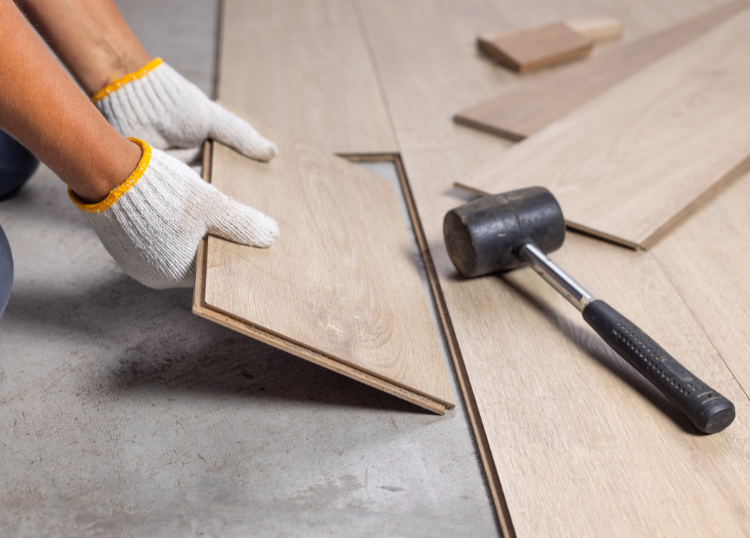
Renovations are often the most affordable solution when the home's foundations, roof, plumbing, and structural elements remain in good condition. Updating kitchens, bathrooms, flooring, windows, and finishes usually costs significantly less than demolishing and rebuilding an entire property.
Smaller improvements can also be completed in stages, allowing homeowners to spread costs over time instead of funding one large construction project. However, once structural work, electrical upgrades, or plumbing replacements become necessary, renovation costs can increase rapidly.
The Benefits of Building New
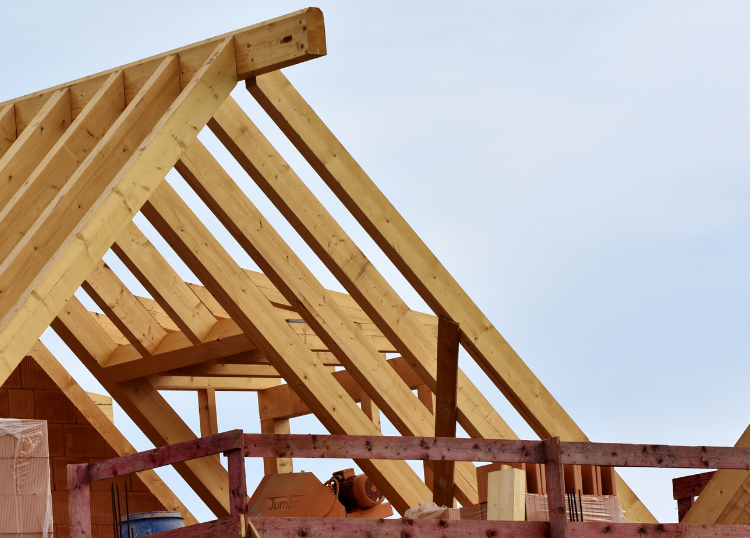
Building from scratch gives you complete control over the design, layout, finishes, and energy efficiency of your home. Modern building methods also allow for better insulation, improved ventilation, smart home technology, and sustainable materials.
Although building generally requires a larger initial investment, a new home often has lower maintenance costs during its early years and can be designed to suit your family's future needs without compromise.
Hidden Costs to Consider
Whether renovating or building, unexpected expenses should always be included in your budget. Common hidden costs include:
- Architectural and design fees
- Municipal approvals
- Engineering reports
- Site preparation
- Demolition and rubble removal
- Electrical and plumbing upgrades
- Unexpected structural repairs
- Temporary accommodation during construction
Setting aside a contingency budget of at least 10% to 15% can help cover unforeseen expenses that arise during construction.
Think About Long-Term Value
Cost shouldn't be the only deciding factor. Consider how long you intend to stay in the property and whether your investment will improve its market value. Well-planned renovations can significantly increase resale appeal, while a thoughtfully designed new home may offer greater efficiency and lower maintenance costs for many years.
Location also plays a major role. Investing heavily in renovations within an area where property values are limited may not deliver the expected return when it's time to sell.
Energy Efficiency Can Reduce Future Costs
Modern building regulations and construction methods make it easier to include energy-saving features such as solar-ready roofing, quality insulation, double glazing, LED lighting, and rainwater harvesting systems. While these additions increase initial costs, they often reduce monthly utility expenses over the lifetime of the home.
Many renovation projects can also incorporate sustainable upgrades, although retrofitting older homes may sometimes be more expensive than including these features during a new build.
Choosing the Right Professionals
Whether you renovate or build, working with experienced contractors is essential. Reliable builders, electricians, plumbers, architects, and project managers help minimise costly mistakes while ensuring work complies with local building regulations.
Before appointing any contractor, obtain multiple written quotations, check previous projects, verify references, and confirm that appropriate insurance and registrations are in place.
You may also find these articles helpful:
- How to Choose the Right Building Contractor
- Home Renovation Mistakes to Avoid
- Questions to Ask Before Starting a Construction Project
Which Option Costs Less?
In many cases, renovating is less expensive when the existing home has a solid structure and only requires cosmetic improvements or moderate upgrades. However, if extensive structural repairs, outdated electrical systems, plumbing replacement, or major extensions are required, building a new home can sometimes provide better long-term value despite the higher upfront investment.
Final Thoughts
There is no universal answer to whether renovating or building new costs less. Every property is different, and the right choice depends on your budget, the condition of the existing home, your future plans, and the value you hope to achieve. Taking the time to obtain professional advice, compare quotations, and carefully plan your project will help ensure your investment delivers both financial value and a home that meets your needs for years to come.