
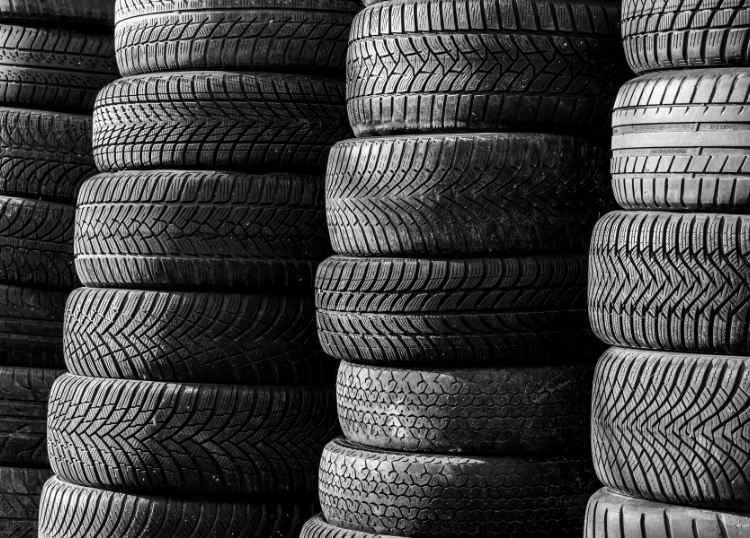
Tyres play a vital role in every journey. They provide grip, support braking performance, and help your vehicle handle safely in different road and weather conditions. Yet tyre maintenance is often overlooked until a problem develops.
Simple routine checks can reduce the risk of tyre failure, improve driving comfort, and help you avoid unnecessary repair or replacement costs. Making tyre care part of your regular vehicle maintenance routine is one of the easiest ways to improve road safety.
Check Tyre Pressure Regularly
Maintaining the correct tyre pressure is one of the most important aspects of tyre safety.
Tyres that are underinflated or overinflated can affect:
- Braking performance
- Steering response
- Fuel consumption
- Tyre wear
- Overall vehicle stability
Check your tyre pressure at least once a month and before long trips. Always use the pressure recommended by your vehicle manufacturer rather than the maximum pressure shown on the tyre sidewall.
Inspect Tread Depth
Tyre tread helps maintain grip, particularly on wet roads where it channels water away from the tyre's contact surface.
Inspect your tyres regularly for signs of worn tread. If the tread becomes too shallow, the risk of skidding and longer stopping distances increases significantly.
Replacing worn tyres before they become unsafe is essential for maintaining good traction and vehicle control.
Look for Visible Damage
During routine inspections, check each tyre for signs of damage.
Look for:
- Cracks in the rubber
- Bulges or blisters
- Cuts
- Embedded objects
- Uneven wear
- Punctures
Any visible damage should be assessed by a qualified tyre specialist as soon as possible.
Rotate Your Tyres
Front and rear tyres often wear at different rates depending on your vehicle and driving habits.
Rotating tyres at the intervals recommended by your vehicle manufacturer helps:
- Promote even tread wear
- Improve handling
- Extend tyre lifespan
- Maintain balanced performance
Regular rotation can also reduce the likelihood of needing to replace tyres prematurely.
Check Wheel Alignment
Poor wheel alignment causes tyres to wear unevenly and can affect how your vehicle handles.
Signs of alignment problems include:
- The vehicle pulling to one side
- An off-centre steering wheel
- Uneven tread wear
- Reduced steering stability
If you notice any of these symptoms, have your wheel alignment checked by a professional.
Balance Your Wheels
Wheel balancing helps ensure weight is evenly distributed around each wheel and tyre assembly.
Proper balancing can:
- Reduce vibration
- Improve driving comfort
- Minimise uneven tyre wear
- Protect suspension components
Balancing is often recommended when fitting new tyres or if vibration develops while driving.
Avoid Overloading Your Vehicle
Every vehicle has a maximum load capacity.
Exceeding this limit places additional stress on your tyres and may lead to:
- Increased tyre temperatures
- Faster wear
- Reduced braking performance
- Greater risk of tyre failure
Always follow your vehicle manufacturer's recommended loading limits.
Drive Smoothly
Your driving style has a significant effect on tyre life.
Avoid:
- Harsh acceleration
- Sudden braking
- Fast cornering
- Driving over potholes where possible
- Mounting kerbs unnecessarily
Smooth driving helps reduce unnecessary strain on your tyres and contributes to safer journeys.
Replace Tyres When Necessary
Even well-maintained tyres eventually need replacing.
Consider replacement if you notice:
- Excessive tread wear
- Frequent punctures
- Cracking due to age
- Bulges or sidewall damage
- Persistent vibration linked to tyre condition
Replacing tyres at the appropriate time helps maintain safe braking and handling performance.
Include Tyres in Every Vehicle Inspection
Tyre maintenance should form part of every routine vehicle inspection.
A few minutes spent checking tyre pressure, tread depth, and overall condition can help identify small problems before they become serious safety risks.
Professional inspections during regular vehicle servicing also help ensure your tyres remain roadworthy.
Final Thoughts
Proper tyre maintenance is one of the simplest and most effective ways to improve vehicle safety. Regular pressure checks, tread inspections, tyre rotation, wheel alignment, and prompt attention to damage all contribute to better handling, shorter stopping distances, and longer tyre life. By making tyre care a regular part of your vehicle maintenance routine, you can drive with greater confidence while helping to keep yourself, your passengers, and other road users safe.


