Your vehicle's braking system is one of its most important safety features. Whether you're driving in city traffic or on the open road, you rely on your brakes every time you slow down or stop. Ignoring early warning signs can lead to longer stopping distances, expensive repairs, or even brake failure.
Knowing what to look out for allows you to address problems before they become serious. If you notice any of the following symptoms, it's time to arrange a professional brake inspection.
Squealing or Screeching Noises
One of the first signs of worn brake pads is a high-pitched squealing or screeching sound when braking. Many brake pads are designed with wear indicators that create this noise to alert you that the friction material is becoming too thin.
Although your brakes may still function, delaying replacement can allow the brake pads to wear down completely, potentially damaging the brake discs and increasing repair costs.
Grinding Sounds
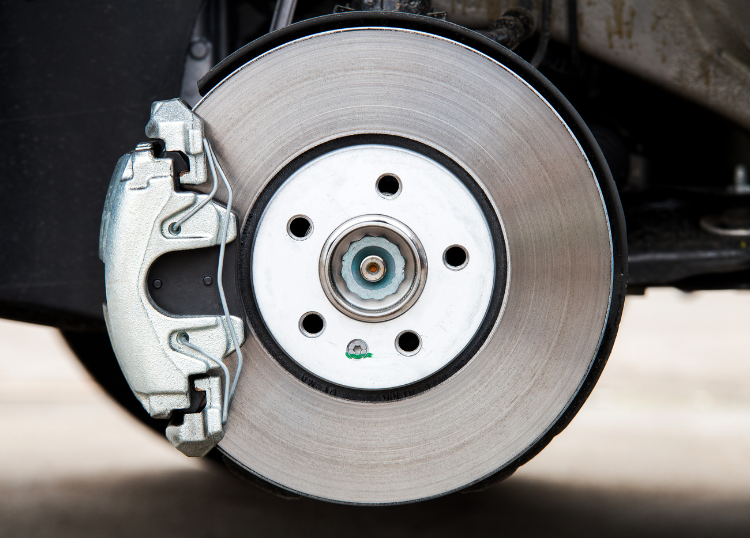
A grinding noise usually indicates that the brake pads have worn away entirely, allowing the metal backing plate to make contact with the brake disc.
This metal-on-metal contact reduces braking performance and can quickly damage other brake components. If you hear grinding, avoid unnecessary driving and have the vehicle inspected as soon as possible.
Vibrations When Braking
If your steering wheel or brake pedal vibrates when you apply the brakes, it may indicate warped brake discs or uneven wear.
Vibrations can affect braking efficiency and make it more difficult to stop smoothly, particularly at higher speeds. A technician can inspect the brake discs and determine whether they need resurfacing or replacement.
Soft or Spongy Brake Pedal
Your brake pedal should feel firm and responsive. If it feels soft, spongy, or sinks further than usual before the brakes engage, there may be air in the brake lines or a problem with the hydraulic braking system.
Because braking performance may be reduced, this issue should be investigated immediately.
Vehicle Pulls to One Side
If your vehicle pulls to the left or right while braking, it could indicate uneven brake pad wear, a sticking brake caliper, contaminated brake components, or suspension issues.
Uneven braking reduces control and can create dangerous driving conditions, especially during emergency stops.
Brake Warning Light
Modern vehicles are equipped with dashboard warning lights that monitor the braking system.
If the brake warning light or ABS warning light remains illuminated after starting the vehicle, don't ignore it. While the issue may be minor, it can also indicate a fault affecting braking performance or safety systems.
A professional diagnostic inspection will identify the cause.
Burning Smell After Braking
A strong burning smell after heavy braking may indicate overheated brake components or a seized brake caliper.
If you notice this smell during normal driving, pull over safely, allow the brakes to cool, and arrange for the vehicle to be inspected before continuing your journey.
Ignoring overheating can lead to significant brake damage.
Increased Stopping Distance
If your vehicle takes longer than usual to stop, don't assume it's simply road conditions or tyre wear.
Longer stopping distances may result from:
- Worn brake pads
- Damaged brake discs
- Brake fluid issues
- Hydraulic system faults
- Brake fade caused by overheating
Any noticeable reduction in braking performance should be treated as a safety concern.
Regular Brake Inspections Save Money
Routine brake inspections allow technicians to identify worn components before they cause further damage.
A typical brake inspection includes checking:
- Brake pads
- Brake discs
- Brake calipers
- Brake fluid condition
- Brake hoses and lines
- Handbrake operation
- ABS components where applicable
Replacing brake pads at the right time is usually far less expensive than replacing damaged discs, calipers, or other braking components.
Don't Ignore the Warning Signs
Brake problems rarely improve on their own. Minor issues often become more serious—and more costly—the longer they are left unresolved.
If you notice unusual noises, vibrations, warning lights, or reduced braking performance, have your vehicle inspected by a qualified technician as soon as possible. Acting early not only protects your investment but also helps keep you, your passengers, and other road users safe.
Final Thoughts
Your brakes are critical to your vehicle's safety, and recognising the early warning signs of wear or failure can prevent accidents and expensive repairs. Regular maintenance, prompt inspections, and replacing worn components when needed ensure your braking system performs as it should. If something doesn't feel or sound right when you brake, don't wait—having your brakes checked promptly is one of the most important steps you can take to stay safe on the road.