The end of the year often brings a long list of competing priorities.
Businesses are preparing for holiday closures, families are arranging travel, and property owners may be planning gatherings or accommodating guests.
Property maintenance can easily move to the bottom of the list.
However, some repairs should not wait until the new year.
A small roof leak may become more serious during heavy rain.
An electrical fault can create a safety hazard.
A blocked drain may cause flooding when a summer storm arrives.
Problems that seem manageable during ordinary working weeks can become considerably more disruptive when contractors are unavailable or a property is left unattended.
For South African property owners, the festive season also coincides with different weather conditions across the country.
Many inland and eastern regions experience summer rainfall and thunderstorms.
Coastal areas may face humidity, wind and salt-related deterioration.
In the Western Cape, dry summer conditions can place additional importance on fire precautions and water management.
A year-end property maintenance plan should therefore focus on risk, safety and the building's actual condition.
The objective is not to complete every possible improvement before December.
It is to identify the work that could cause damage, interrupt essential services or place occupants at risk if postponed.
Why Year-End Property Maintenance Matters
Property maintenance is easier to manage when problems are addressed before they become emergencies.
During the festive season, routine services may operate with reduced staffing.
Some contractors close for annual leave.
Replacement parts may also take longer to obtain.
These conditions can make an unexpected breakdown more difficult to resolve.
A year-end inspection provides an opportunity to identify problems while there is still time to arrange repairs.
It also helps owners separate essential maintenance from work that can reasonably wait.
Prioritise Safety Before Appearance
Not every maintenance task carries the same urgency.
A faded wall may be inconvenient but does not necessarily require immediate attention.
An exposed electrical connection is different.
So is a loose balustrade, damaged stair tread or leaking pipe near electrical equipment.
The first priority should be conditions that could cause injury, fire, flooding or significant property damage.
Cosmetic improvements can usually be scheduled around more important repairs.
This distinction helps owners use their maintenance budgets responsibly.
Begin With a Property Walk-Through
A systematic walk-through is a useful starting point.
Inspect the property from the outside before moving indoors.
Look for visible damage, unusual moisture, loose fittings and signs of deterioration.
Pay attention to areas that are not used regularly.
These may include storerooms, service passages, roof spaces and external utility areas.
Photograph problems and record their locations.
A written record helps when requesting quotations and checking whether repairs have been completed.
Review Outstanding Maintenance Reports
Many properties have unresolved maintenance items from earlier in the year.
Some may have been reported by occupants.
Others may appear in inspection reports, contractor recommendations or building management records.
Review these items before creating a new maintenance schedule.
A recurring plumbing complaint may indicate a larger problem.
Repeated electrical interruptions may require professional investigation.
Older reports can help identify issues that have become normalised rather than resolved.
Inspect the Roof for Visible Damage
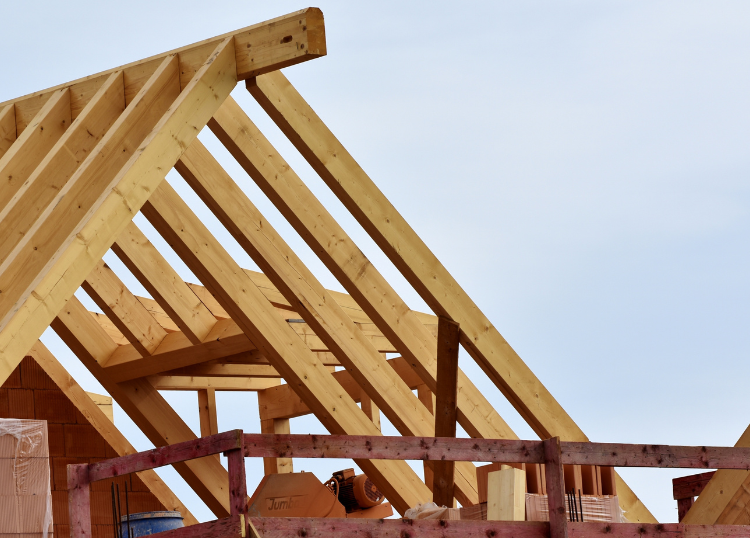
Roof defects should receive particular attention before periods of heavy rain or strong wind.
Damaged roof sheets, cracked tiles and loose flashing can allow water into the building.
Roof penetrations around vents and other services may also become vulnerable.
A leak may not appear directly beneath the damaged area.
Water can travel along structural elements before becoming visible indoors.
Property owners should arrange suitable professional inspections where access is difficult or hazardous.
Climbing onto a roof without appropriate equipment and training is not a sensible maintenance shortcut.
Do Not Ignore Small Roof Leaks
A minor water stain may be the first visible indication of a larger problem.
Moisture can damage ceilings, insulation, timber and electrical installations.
Repeated wetting may also encourage mould growth.
Painting over the stain does not address the cause.
The source of the water must be identified and repaired.
Where water is entering near electrical equipment, the affected area should be treated as a potential safety concern.
Prompt investigation can prevent a relatively contained defect from becoming a substantial repair.
Check Roof Flashing and Waterproofing
Flashing helps protect vulnerable junctions between roof surfaces and adjoining building elements.
Waterproofing membranes serve a similar protective role in suitable locations.
Ageing materials, movement and poor previous repairs can create gaps.
Flat roofs and roof terraces deserve particular attention.
Standing water may indicate inadequate drainage or a blocked outlet.
A qualified contractor should assess defects and recommend a repair compatible with the existing system.
Applying a temporary sealant without understanding the cause may simply delay the problem.
Clean Gutters and Downpipes
Blocked gutters can cause rainwater to overflow against walls and roof edges.
Leaves, dirt and other debris may accumulate over time.
Downpipes can also become obstructed.
Overflowing water may contribute to dampness, staining and damage around foundations.
Gutters should be inspected and cleaned where necessary.
Check that joints are secure and that water can reach the intended discharge point.
Safe access is essential, particularly on multi-storey buildings.
Inspect Stormwater Drains Before Heavy Rain
Stormwater drainage is especially important in summer-rainfall regions.
Blocked surface drains can allow water to accumulate around buildings.
Debris, sediment and vegetation may restrict flow.
Inspect accessible channels, grates and outlets.
Check whether paved areas direct water towards appropriate drainage points.
Where recurring flooding occurs, a professional assessment may be necessary.
The problem may involve more than a simple blockage.
It could relate to site levels, insufficient drainage capacity or changes to surrounding surfaces.
Check Water Flow Away From the Building
Rainwater should not routinely collect against external walls.
Poor surface falls may direct water towards entrances or foundations.
Garden beds and paving alterations can sometimes change drainage patterns.
Look for areas where water ponds after rain.
Also check whether downpipes discharge too close to the building.
Any corrective work should consider neighbouring properties and local drainage requirements.
Moving water from one problem area to another is not a satisfactory solution.
Look for Cracks and Signs of Structural Movement
Not every crack indicates a serious structural problem.
Some result from ordinary material movement or surface deterioration.
However, cracks that are widening, recurring or associated with distortion require attention.
Doors and windows that suddenly become difficult to operate may also warrant investigation.
Photograph cracks and record their approximate locations.
Avoid filling significant cracks before their cause is understood.
A suitably qualified professional should assess suspected structural movement.
Inspect External Walls and Damp Areas
External walls are exposed to rain, sun and temperature changes.
Cracked finishes and failed joints can allow moisture to enter.
Damp patches may also indicate plumbing or drainage problems.
Look for peeling paint, discolouration and persistent moisture.
Pay particular attention to areas around windows, roof junctions and ground-level walls.
The correct repair depends on the source of the moisture.
Repainting a damp surface without addressing the cause is unlikely to provide a lasting solution.
Check Windows and External Doors
Windows and doors help protect the building against weather and unauthorised access.
Damaged seals can allow water or draughts into occupied spaces.
Loose hinges and faulty locks may create security concerns.
Inspect frames, glazing and opening mechanisms.
Check that doors close properly and that locks operate reliably.
Damaged glazing should be assessed promptly, especially where people could be injured.
Repairs may be particularly important before a property is left vacant.
Address Plumbing Leaks Before Holiday Closures
Small plumbing leaks can waste water and damage surrounding materials.
A dripping connection beneath a basin may go unnoticed for weeks.
Leaking pipes inside cupboards or service spaces can cause deterioration before the problem becomes obvious.
Inspect accessible plumbing fittings.
Look for dampness, staining and unexplained water use.
Repairs should be arranged before extended holiday absences.
A concealed leak can cause substantial damage when nobody is present to notice it.
Inspect Toilets, Taps and Drainage Fixtures
Frequently used plumbing fixtures should be checked for proper operation.
A running toilet can waste significant amounts of water.
Slow-draining basins may indicate developing blockages.
Loose taps and damaged seals can also create problems.
Check whether fixtures operate normally.
Unusual noises, persistent odours and repeated blockages deserve investigation.
Avoid relying on harsh chemical drain cleaners as a substitute for identifying recurring drainage problems.
Professional attention may be needed where blockages continue.
Check Geysers and Hot-Water Systems
Hot-water systems should be included in year-end maintenance planning.
Look for visible leaks, corrosion and unusual operation.
A leaking geyser or associated pipework may damage ceilings and nearby finishes.
Electrical and plumbing components should be inspected by appropriately qualified professionals.
Do not interfere with safety valves or electrical connections.
Where a system is ageing or has a history of problems, arrange an assessment before holiday closures.
Reliable hot water is particularly important when additional guests are expected.
Know Where the Main Water Shut-Off Is Located
Every property should have an accessible means of isolating the water supply.
Owners and responsible occupants should know where the main shut-off valve is located.
The valve should be identifiable and operable.
However, a seized or damaged valve should not be forced.
A plumber may need to service or replace it.
For larger properties, identify the isolation points serving individual areas.
This information can reduce damage during a plumbing emergency.
Investigate Electrical Faults Promptly
Electrical problems should not be postponed simply because equipment still operates.
Repeated circuit breaker trips may indicate an underlying fault.
Burning smells, damaged outlets and unusual heat are warning signs.
Flickering lights can have several causes, some of which require investigation.
Electrical repairs should be carried out by suitably qualified personnel.
Do not overload circuits or bypass protective devices.
Where there is an immediate hazard, the affected equipment or circuit should be isolated safely and professional assistance obtained.
Inspect Distribution Boards and Electrical Installations
Distribution boards are important components of a building's electrical system.
They should remain accessible and protected from inappropriate storage or moisture.
Visible damage, missing covers and signs of overheating require attention.
However, internal inspection and testing should be left to qualified electrical professionals.
Property owners should also retain relevant electrical compliance documentation.
Maintenance work and alterations may require appropriate testing and certification.
The specific requirements depend on the work and applicable regulations.
Check Exterior Lighting
Outdoor lighting supports safe movement around a property.
Poorly lit steps, paths and entrances can increase the risk of falls.
Lighting can also support security when used appropriately.
Inspect external fittings and replace failed lamps where safe.
Check whether sensors and timers operate correctly.
Damaged electrical fittings exposed to weather should be assessed by a qualified person.
Lighting should provide useful visibility without creating excessive glare.
Review Backup Power Systems
Some South African properties use inverters, batteries or generators to maintain essential services.
These systems require suitable maintenance.
Check available status indicators and follow the manufacturer's instructions.
Look for visible damage or signs of overheating without opening electrical equipment.
Battery installations require appropriate ventilation and protection according to their type and design.
Generators should never be operated indoors or in enclosed spaces where exhaust gases can accumulate.
Professional servicing is advisable where the system has not been checked recently.
Inspect Solar Installations
Solar photovoltaic systems may be exposed to wind, dust and changing weather conditions.
Visible damage to panels, mounting equipment or cabling should be reported.
However, property owners should not climb onto roofs or interfere with electrical connections.
A suitable service provider can assess system performance and installation condition.
Maintenance requirements depend on the equipment and site.
Any cleaning or servicing should follow appropriate safety procedures.
Check Air-Conditioning and Ventilation
Summer temperatures can increase reliance on cooling systems.
Poorly maintained equipment may operate inefficiently or fail during periods of high demand.
Inspect accessible filters according to manufacturer guidance.
Check for unusual noises, water leaks and reduced airflow.
Professional servicing may be required.
Ventilation openings should remain unobstructed.
In commercial buildings, maintenance should also consider occupancy levels and the building's ventilation requirements.
Address Mould and Persistent Moisture
Mould can develop where moisture remains trapped.
It may appear around leaking pipes, poorly ventilated bathrooms or damp walls.
Cleaning visible growth without correcting the moisture source may allow it to return.
Investigate leaks, condensation and ventilation problems.
Significant or recurring mould should be assessed by a suitable professional.
Materials affected by prolonged moisture may require repair or replacement.
The aim is to restore dry, healthy building conditions rather than conceal the symptoms.
Check Bathroom Waterproofing and Sealants
Bathrooms are regularly exposed to water.
Damaged joints and failed sealants can allow moisture to reach adjoining materials.
Look for loose tiles, persistent dampness and discoloured joints.
However, replacing surface sealant does not necessarily resolve failed waterproofing beneath finishes.
Where water damage is recurring, the underlying system may need assessment.
Prompt repairs can help protect floors, walls and neighbouring rooms.
Inspect Kitchens and Frequently Used Appliances
Kitchens often experience heavier use during the festive season.
Check that plumbing connections are sound.
Look for signs of leaks beneath sinks and around appliances.
Inspect visible power cords and plugs for damage.
Faulty appliances should not continue to be used.
Ventilation and extraction systems should also be maintained appropriately.
Where gas appliances are installed, servicing and repairs should be performed by suitably registered professionals.
Check Gas Installations for Safety
Gas installations require particular care.
Damaged hoses, poor connections and inadequate ventilation can create serious hazards.
If gas is suspected to be leaking, avoid operating electrical switches or creating ignition sources.
Move people away from the affected area and follow appropriate emergency procedures.
Do not attempt improvised repairs.
Gas installations and alterations should comply with applicable South African requirements.
Appropriate inspection and certification may be necessary.
Review Fire Safety Equipment
Fire safety equipment should be suitable for the building and maintained as required.
Check whether fire extinguishers are accessible and within their required service periods.
Fire doors and escape routes should not be obstructed.
Smoke detection and alarm systems should be maintained according to their design and applicable requirements.
Commercial properties may have additional responsibilities.
A year-end review is particularly important before staff leave or occupancy patterns change.
Fire safety should never be treated as a purely administrative exercise.
Keep Emergency Exits Clear
Emergency exits must remain usable.
Temporary storage can gradually obstruct corridors and escape routes.
This may be more common when businesses are preparing for year-end stock movements or office closures.
Inspect exit doors and access routes.
Check that required signage and emergency lighting are maintained.
Do not secure emergency exits in ways that prevent safe escape.
Any changes to access arrangements should consider fire safety requirements.
Inspect Boundary Walls and Fences
Boundary structures contribute to security and site management.
Cracked walls, loose fencing and damaged gates should be assessed.
A leaning wall may indicate a structural concern.
Vegetation can also conceal defects.
Repairs should address the underlying problem rather than simply improve appearance.
Where a boundary structure poses a danger to neighbouring properties or public areas, prompt professional attention is important.
Test Gates, Locks and Access Controls
Access systems often receive frequent use.
A gate motor may show signs of wear before it fails completely.
Intermittent operation, unusual noises and damaged components should be investigated.
Check that locks and access controls function correctly.
Automatic gates should have appropriate safety features.
Maintenance should be performed by suitable technicians.
Reliable access is especially important when residents are travelling or businesses are operating with fewer staff.
Check Alarm Systems and Security Equipment
Security systems should be tested before extended absences.
Confirm that alarm sensors and relevant communication functions operate as intended.
Check whether monitoring arrangements remain active.
Review contact details held by the security provider.
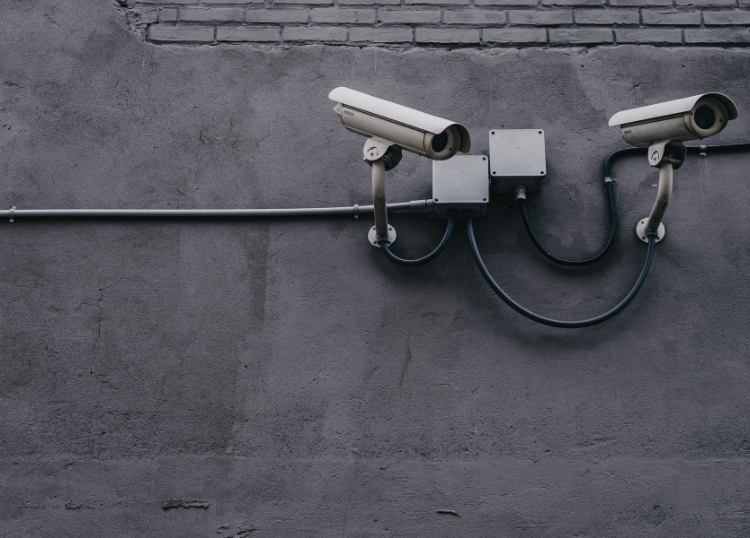
Cameras and recording equipment may also require inspection.
However, a functioning camera does not replace physical security measures.
A balanced approach considers locks, lighting, access controls and response arrangements.
Review Holiday Security Arrangements
A property left unattended for several weeks may require additional planning.
Confirm who will respond to alarms or maintenance emergencies.
Avoid leaving spare keys in insecure locations.
Consider whether trusted individuals need access for legitimate purposes.
For commercial buildings, review access permissions for contractors and authorised staff.
Security arrangements should be practical and documented.
They should also respect the privacy of occupants and neighbouring properties.
Inspect Swimming Pools and Surrounding Areas
Swimming pools may see increased use during summer.
Water quality and filtration equipment should be maintained appropriately.
Inspect visible damage to pool surrounds and drainage.
Loose paving and slippery surfaces can create hazards.
Pool barriers and access arrangements should be checked, particularly where children may be present.
Electrical equipment associated with pools requires specialist attention.
Pool safety involves both maintenance and responsible supervision.
Check Decks, Balconies and Balustrades
Outdoor entertaining areas may accommodate more people during holiday gatherings.
Loose decking boards, damaged stairs and unstable railings can create serious risks.
Inspect accessible surfaces for deterioration.
Pay attention to corrosion and timber decay.
Balconies and elevated decks require particular care.
Suspected structural defects should be assessed by a suitably qualified professional.
Do not continue using an area that appears unsafe while waiting for repairs.
Inspect Patios and Outdoor Entertainment Areas
Patios should be safe and practical for regular use.
Uneven paving can create trip hazards.
Damaged drainage may allow water to accumulate.
Loose pergola elements and deteriorating shade structures should be assessed.
Outdoor electrical fittings also require attention.
Furniture and equipment should not obstruct access routes.
Small maintenance tasks completed before gatherings can prevent unnecessary disruption.
Check Trees and Overhanging Branches
Trees provide valuable shade and contribute to outdoor comfort.
However, damaged or unstable branches may present risks during storms or strong winds.
Look for visibly broken limbs and signs of decline.
Branches touching roofs or electrical lines require appropriate attention.
Tree work near electrical infrastructure should be handled by authorised professionals.
Large trees may require assessment by a qualified arborist.
Unnecessary removal should be avoided where careful management can address the concern.
Maintain Gardens Without Blocking Drainage
Overgrown vegetation can obstruct gutters, drains and access routes.
Garden maintenance should include clearing debris from critical drainage points.
However, excessive clearing may expose soil to erosion.
Consider the property's planting and drainage conditions.
Avoid directing irrigation water against walls or foundations.
Where water restrictions apply, gardening practices should comply with local requirements.
A well-maintained landscape should support the building rather than create additional maintenance problems.
Check Irrigation Systems for Leaks
Irrigation systems can develop leaks that are not immediately visible.
Broken sprinkler heads may waste water.
Poorly positioned irrigation can wet walls and paving unnecessarily.
Inspect the system during operation where practical.
Check for unexpected pooling and damaged fittings.
Repair faults before leaving the property unattended.
Water use should also reflect seasonal conditions and municipal restrictions.
Prepare for Summer Storms
Summer thunderstorms can bring heavy rain, wind and lightning to many South African regions.
Preparation should focus on the building's actual vulnerabilities.
Roofing and drainage deserve particular attention.
Loose outdoor items should be secured.
Trees and exposed structures may require inspection.
Electrical protection should be reviewed by suitable professionals where necessary.
Emergency contact details should be accessible.
Preparation cannot prevent every weather-related incident, but it can reduce avoidable risks.
Consider Fire Risks During Dry Summer Conditions
Dry summer conditions can increase fire concerns in some areas.
Properties near vegetation may require additional attention.
Remove accumulated combustible debris from appropriate areas.
Maintain access for emergency services.
Inspect outdoor electrical installations and equipment.
Follow local fire safety requirements and restrictions.
Where a property is exposed to vegetation fire risk, obtain suitable guidance on defensible space and landscaping.
The correct measures depend on the site's location and conditions.
Check Water Tanks and Pumps
Properties with water storage or pressure systems should include them in maintenance planning.
Inspect accessible fittings for leaks.
Check whether pumps operate normally.
Unusual noises or frequent cycling may indicate a problem.
Storage tanks should be protected against contamination.
Maintenance should follow manufacturer recommendations and applicable requirements.
A failure during the holiday period can affect essential water availability.
Inspect Septic Tanks and On-Site Wastewater Systems
Properties without municipal sewer connections may rely on on-site wastewater systems.
These require appropriate maintenance.
Slow drainage, odours and wastewater surfacing can indicate problems.
Do not open or enter tanks.
Confined spaces and wastewater present serious hazards.
Arrange inspection or servicing through a suitable professional.
Addressing warning signs before the festive season can prevent disruption when occupancy increases.
Review Pest Activity
Pest problems may become more noticeable during warmer weather.
Look for evidence of rodents, termites and other unwanted activity.
Food storage areas, roof spaces and service openings deserve attention.
However, treatment should match the identified problem.
Avoid unnecessary or unsafe pesticide use.
A reputable pest-control provider can recommend appropriate measures.
Preventative maintenance may also involve sealing access points and addressing moisture or waste-management problems.
Maintain Waste Storage Areas
Waste storage areas can create hygiene and pest problems when poorly maintained.
Check that bins are in usable condition.
Inspect drainage and cleaning arrangements.
Ensure that waste does not obstruct emergency access.
Commercial properties may require additional planning around collection schedules.
Festive closures can change ordinary waste-management routines.
Confirm arrangements in advance where necessary.
Prepare Rental Properties for Holiday Occupancy
Rental properties may experience changing occupancy patterns during the festive season.
Owners and managing agents should review essential services and safety-related maintenance.
Plumbing, electrical systems and access controls deserve attention.
Clear reporting procedures should be available to tenants or guests.
However, access for inspections must respect applicable agreements and legal requirements.
Maintenance responsibilities should be understood by all parties.
Prompt attention to reported defects can help prevent disputes and property damage.
Check Holiday Accommodation Before Guests Arrive
Holiday accommodation requires reliable basic services.
Guests expect functioning plumbing, lighting and access systems.
Air-conditioning or ventilation may also be important in summer.
Inspect doors, windows, bathrooms and frequently used appliances.
Check outdoor areas for hazards.
Provide clear emergency contact information.
The property should be assessed before the first booking rather than after guests report a problem.
Prepare Commercial Properties for Year-End Closures
Commercial buildings may operate with reduced occupancy during December.
Some businesses close entirely for a period.
This changes how maintenance and security should be managed.
Confirm who will monitor essential systems.
Review fire safety and alarm arrangements.
Check whether water and electrical systems require specific shutdown procedures.
Ensure that emergency contacts are current.
Any shutdown should follow appropriate technical guidance.
Review Building Maintenance Contracts
Property owners should understand which maintenance services remain available during the festive season.
Review existing contracts.
Confirm emergency call-out arrangements.
Check whether response times change during public holidays.
Identify services that are excluded from ordinary maintenance agreements.
For managed buildings, clarify who can authorise urgent repairs.
This reduces delays when unexpected problems arise.
Book Qualified Contractors Before the Holiday Rush
Maintenance contractors may experience increased demand towards year-end.
Waiting until the final week before a holiday closure can limit appointment availability.
Prioritise urgent work early.
Request clear quotations and confirm the scope.
Check relevant qualifications and registrations where required.
Electrical, gas and certain other specialist work should not be assigned to unqualified providers.
Reliable workmanship is more important than completing a repair at any cost before December.
Keep Records of Repairs and Inspections
Maintenance records support future decisions.
They can show when equipment was serviced.
They may also help identify recurring defects.
Retain invoices, inspection reports and relevant compliance documents.
Photographs can provide a useful record of completed work.
For commercial properties, a central maintenance register may be appropriate.
Records should be accessible to authorised people.
Good documentation makes it easier to plan future maintenance and explain the property's history.
Separate Emergency Repairs From Routine Maintenance
A year-end maintenance plan should distinguish between different levels of urgency.
Immediate hazards require prompt action.
Problems likely to cause damage or essential service failure should receive early attention.
Routine tasks can be scheduled according to condition and available resources.
Cosmetic improvements may be deferred.
This approach prevents owners from spending the entire budget on visible improvements while more serious defects remain unresolved.
Maintenance priorities should reflect actual risk.
Budget for Unexpected Repairs
Even a well-maintained property can develop unexpected problems.
An emergency repair allowance may help owners respond without disrupting every other financial commitment.
However, the appropriate amount depends on the property.
Age, condition, complexity and maintenance history all influence risk.
A large commercial building requires a different approach from a small residential property.
Budget planning should consider both known repairs and reasonable contingencies.
Avoid Rushed Repairs That Create New Problems
The pressure to complete work before holidays can encourage shortcuts.
Temporary repairs may be appropriate in certain circumstances.
However, they should be clearly identified as temporary.
A rushed repair that conceals the cause of a defect may create additional costs.
Owners should understand what work is being performed.
Where a permanent solution cannot be completed immediately, obtain advice on safe interim measures.
The aim is to manage risk without compromising workmanship.
What Can Usually Wait Until the New Year?
Not every maintenance item needs immediate attention.
Repainting a sound interior wall may be postponed.
Replacing undamaged decorative fittings can often wait.
Minor aesthetic improvements may also be scheduled later.
However, the decision should follow inspection.
A cosmetic defect can sometimes conceal moisture or structural damage.
Owners should avoid assuming that every visible problem is superficial.
The correct priority depends on the cause and potential consequences.
A Practical Year-End Property Maintenance Checklist
Begin with safety-related defects.
Check roofing and visible water damage.
Inspect gutters and stormwater drainage.
Review plumbing and hot-water systems.
Arrange professional attention for electrical faults.
Test relevant security equipment.
Inspect gates, doors and external lighting.
Check fire safety arrangements.
Assess outdoor areas, trees and swimming pools.
Confirm contractor availability and emergency contacts.
Record outstanding work and schedule suitable repairs.
This provides a practical starting point for residential and commercial properties.
Final Thoughts
Year-end property maintenance is not about completing every possible improvement before the festive season.
It is about identifying the repairs that should not be postponed.
Roof leaks, electrical faults, plumbing problems, blocked drainage and unsafe structures can become more serious when left unattended.
Security weaknesses and unreliable essential services may also create additional difficulties during holiday closures.
A systematic inspection helps property owners establish priorities.
Qualified contractors can then address work that requires specialist attention.
For South African properties, seasonal weather and local operating conditions should influence the maintenance plan.
A property in a summer-rainfall region may require particular attention to stormwater drainage.
A coastal building may need additional inspection for corrosion and weather-related deterioration.
A property in a dry summer region may have different fire and water-management concerns.
The most effective approach is preventative, practical and based on the building's condition.
Addressing important defects before year-end can reduce avoidable damage, improve safety and make the holiday period easier to manage.
It also provides a stronger starting point for the next year's maintenance programme.