As temperatures drop, your home's plumbing system works harder to keep up with the increased demand for hot water. During winter, geysers are used more frequently and often operate for longer periods, placing additional strain on critical components. Without regular maintenance, this increased workload can lead to leaks, water damage, or even a burst geyser.
Fortunately, a few preventative measures can significantly reduce the risk of unexpected breakdowns and expensive repairs.
Why Geysers Are More Likely to Fail in Winter
Most households use considerably more hot water during colder months. Longer showers, hotter water temperatures, and increased daily usage mean your geyser cycles on more often to maintain the desired temperature.
Over time, this extra demand can accelerate wear on components such as the thermostat, heating element, pressure control valve, and internal tank. If any of these parts are already showing signs of deterioration, winter conditions may expose the problem.
Check for Early Warning Signs
A burst geyser rarely happens without warning. Paying attention to small issues can help you address problems before they become emergencies.
Look out for:
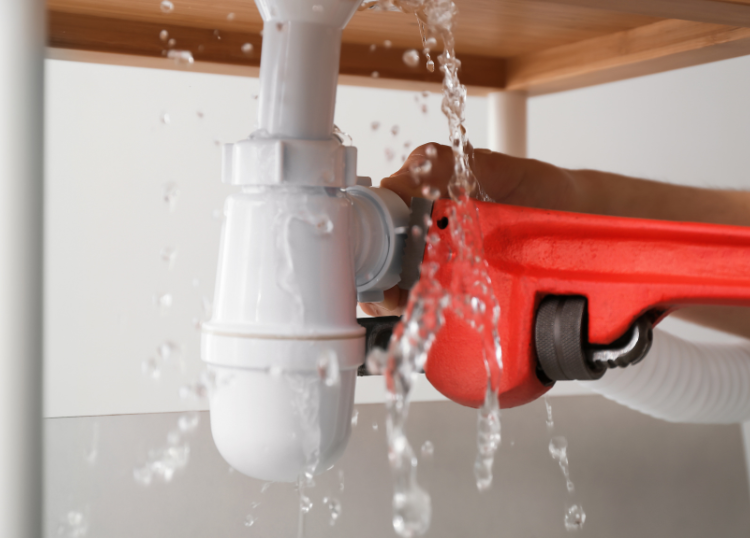
- Water dripping from the geyser or overflow pipe
- Rust stains around the geyser
- Damp ceilings beneath ceiling-mounted geysers
- Unusual popping or rumbling sounds
- Inconsistent hot water temperatures
- Reduced hot water supply
- Visible corrosion on fittings or pipes
If you notice any of these signs, arrange a professional inspection as soon as possible.
Test the Pressure Relief Valve
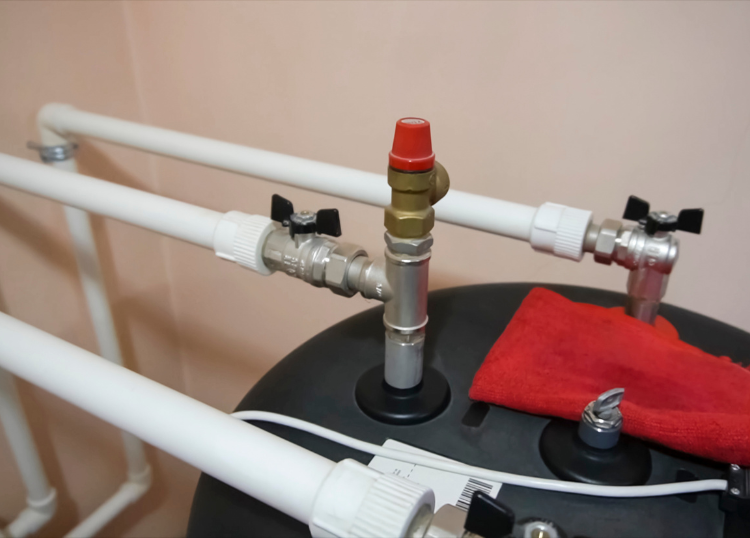
The pressure relief valve plays an important role in protecting your geyser by releasing excess pressure before it reaches dangerous levels.
If the valve becomes blocked, damaged, or stops functioning correctly, pressure can build inside the tank and increase the risk of failure.
Routine servicing includes checking that the valve operates correctly and replacing it if necessary.
Flush Sediment from the Tank
Over time, minerals naturally present in water settle at the bottom of the geyser tank. This sediment forms an insulating layer between the heating element and the water, making the system work harder and less efficiently.
Excessive sediment can contribute to overheating, higher electricity consumption, and premature wear on the tank.
Periodic flushing helps remove this buildup and improves overall performance.
Inspect the Sacrificial Anode
Many homeowners are unaware that geysers contain a sacrificial anode designed to protect the inside of the tank from corrosion.
As the anode deteriorates, it attracts corrosive minerals that would otherwise attack the steel tank itself.
Replacing a worn anode during routine maintenance can significantly extend the lifespan of your geyser and reduce the likelihood of internal rust causing leaks.
Set the Correct Temperature
Many people increase their geyser temperature during winter, believing it will provide more hot water.
However, excessively high thermostat settings place unnecessary stress on the system while increasing electricity consumption.
A temperature of around 55°C to 60°C is generally sufficient for most households, providing comfortable hot water while reducing unnecessary strain on the geyser.
Insulate Your Geyser and Pipes
Insulating your geyser with a quality geyser blanket helps retain heat, reducing the frequency with which the heating element needs to operate.
Insulating exposed hot water pipes also reduces heat loss, allowing hot water to reach taps more efficiently while lowering energy costs.
These simple improvements can reduce wear on the system during winter.
Schedule Regular Professional Maintenance
Routine servicing allows a qualified plumber to identify worn components before they fail.
A comprehensive geyser inspection may include checking:
- Heating element
- Thermostat
- Pressure relief valve
- Vacuum breakers
- Water connections
- Overflow pipe
- Tank condition
- Signs of corrosion or leaks
Addressing small issues early is usually far less expensive than replacing a burst geyser and repairing resulting water damage.
Know When It's Time to Replace Your Geyser
Even with regular maintenance, every geyser has a limited lifespan.
If your geyser is more than 10 to 15 years old, requires frequent repairs, or struggles to provide consistent hot water, replacement may be the more cost-effective option.
Installing a modern, energy-efficient geyser can improve reliability while reducing electricity consumption.
Final Thoughts
Winter places additional demands on your geyser, making preventative maintenance more important than ever. Regular inspections, checking safety components, flushing sediment, and addressing small problems early can significantly reduce the risk of a burst geyser. By taking a proactive approach, homeowners can enjoy reliable hot water throughout winter while avoiding costly emergency repairs and water damage to their property.